UK Road Signs: The Complete Guide
Learn all 68 essential road signs, understand the shape-colour system, and pass your theory test with confidence.
The UK Road Sign System Explained
Every UK road sign follows a logical system based on shape and colour. Learn these two rules and you can decode any sign, even ones you've never seen before.
Shapes Tell You What to Do
Circles = Orders
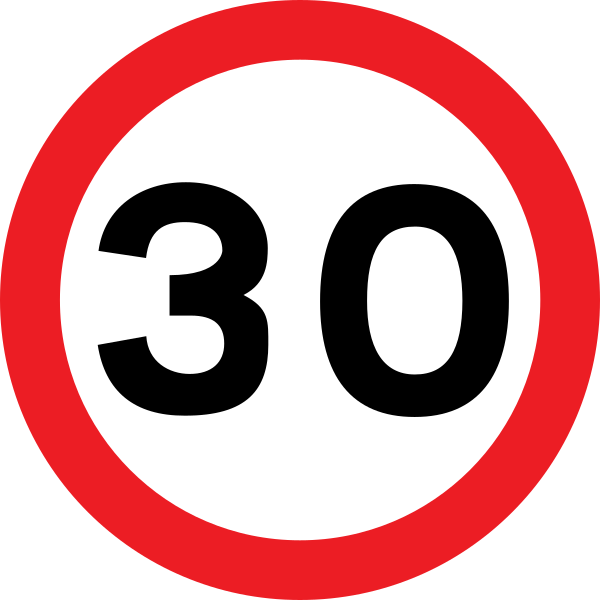
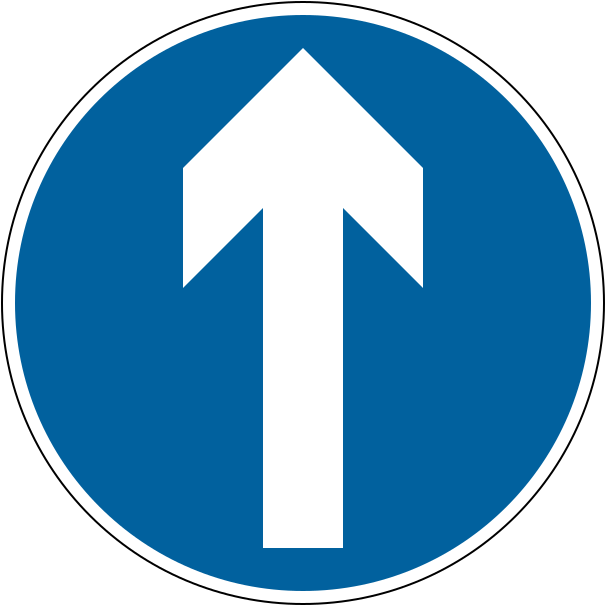
Circular signs give mandatory instructions. Red border circles are prohibitions (things you must NOT do). Blue circles are positive instructions (things you MUST do).
Triangles = Warnings
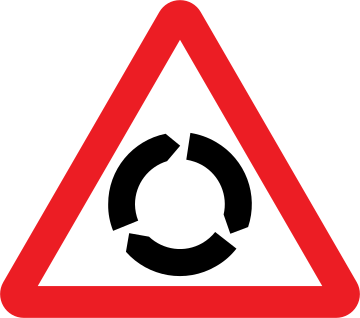
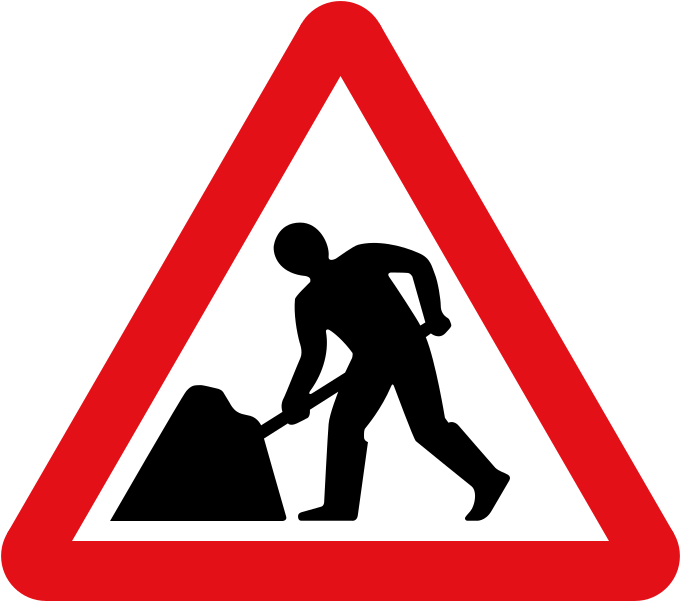
Triangular signs with red borders warn you of hazards ahead: bends, junctions, road works, crossings. They give you time to prepare.
Rectangles = Information
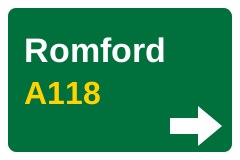
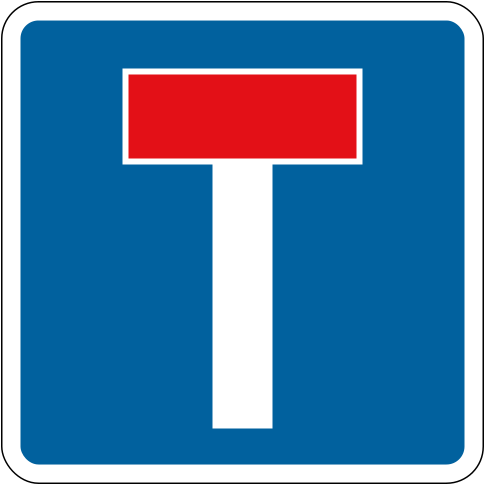
Rectangular signs provide information: directions, distances, services, lane instructions. Their colour tells you the road type.
Colours Tell You the Road Type
Red
Prohibitions & stop
Blue
Motorway & mandatory
Green
Primary routes (main A roads)
White
Local routes & minor roads
Brown
Tourist attractions
Yellow
Temporary (road works)
Key Exceptions to Remember
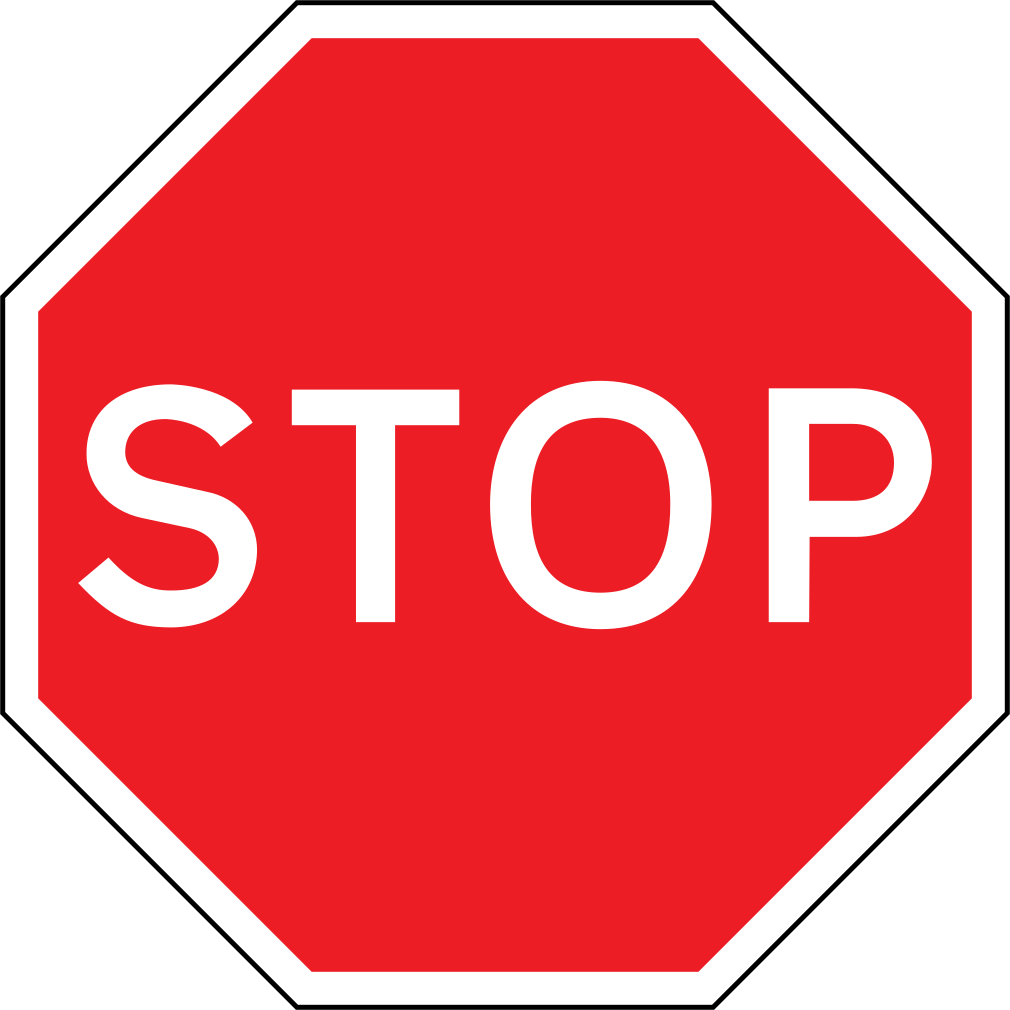
Stop sign (octagon): The only octagonal sign in the UK. Its unique 8-sided shape means you can identify it even if covered in snow or facing away from you.
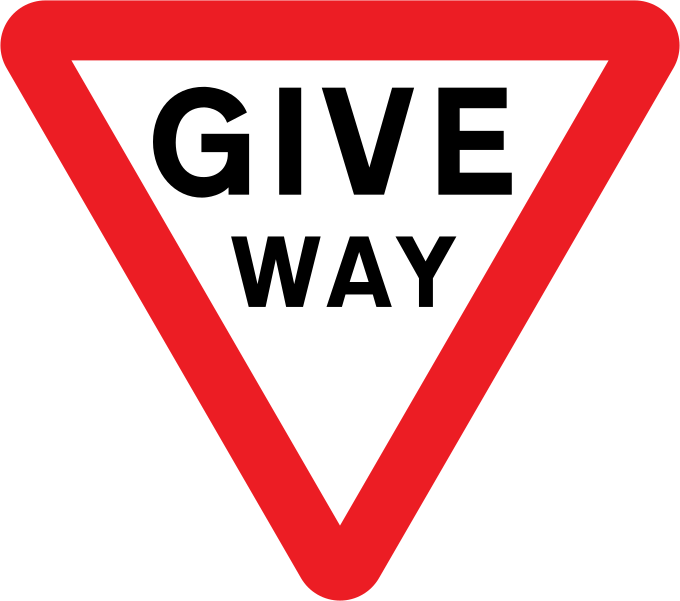
Give Way (inverted triangle): The only sign that points downward. Its distinctive shape makes it instantly recognisable from any angle.
Browse All 68 Signs by Category
Click a category to filter, or search by name, description, or keyword.
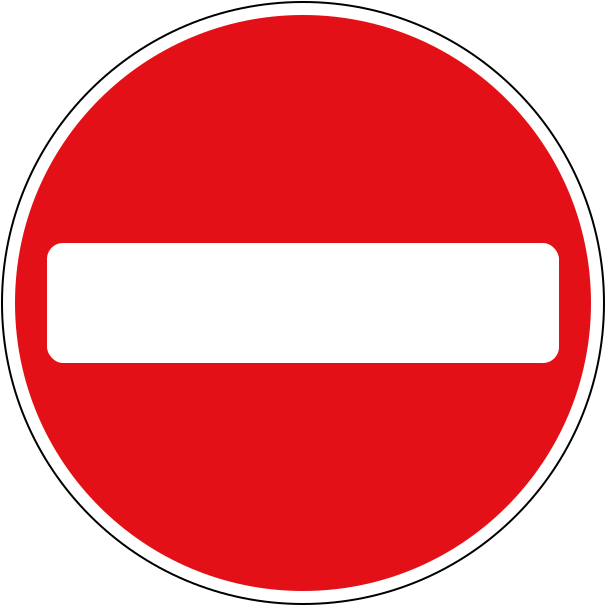
No Entry
White horizontal bar on red circle
No vehicles may enter this road or area. Often used on one way streets to prevent wrong-way driving.
Sign 616Stop
Octagonal red sign with white STOP text
You must stop at the stop line. Give way to traffic on the main road before proceeding.
Rule 171Give Way
Inverted triangle with red border
Give way to traffic on the main road. You may proceed only when the way is clear.
Rule 172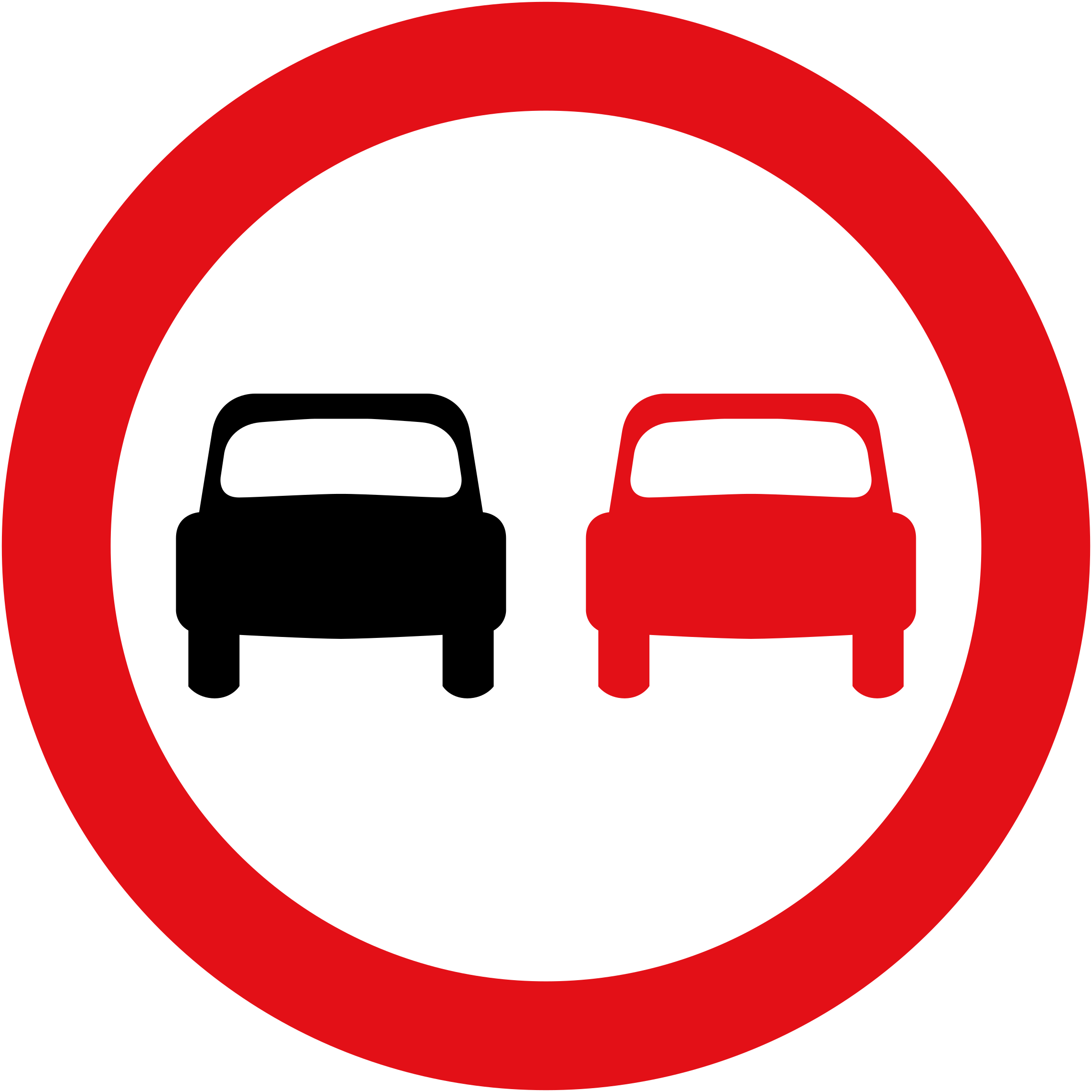
No Overtaking
Two cars side by side in red circle
Do not overtake any moving vehicle on this road.
Sign 632Speed Limit 30
Number 30 in red circle
Maximum speed allowed is 30 mph. Common in built up areas and residential streets.
Rule 125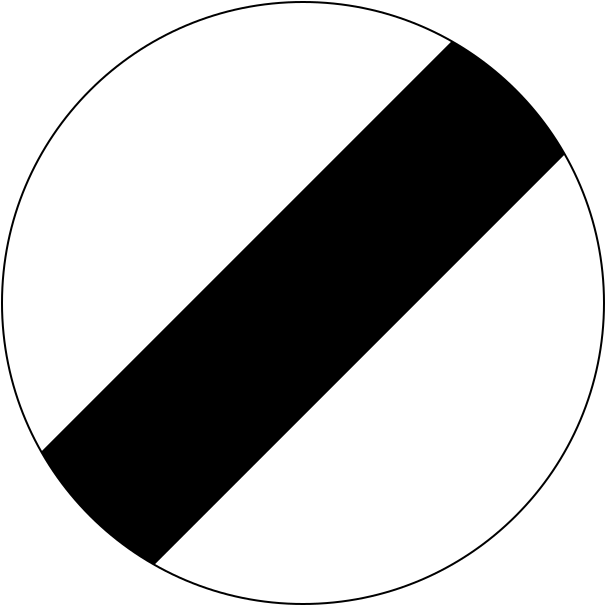
National Speed Limit
White circle with black diagonal stripe
National speed limit applies: 60 mph on single carriageways, 70 mph on dual carriageways and motorways for cars.
Rule 125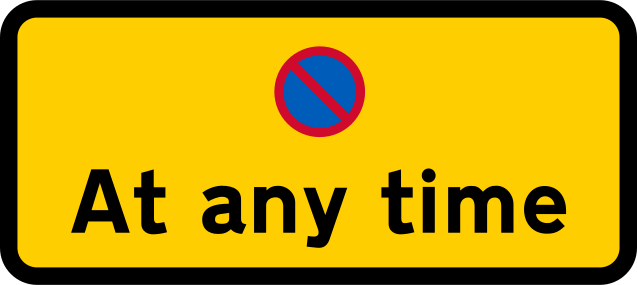
No Waiting
Blue circle with red border and diagonal, shown with a time plate
No waiting during the times shown on the plate. You may stop briefly to pick up or set down passengers, and to load or unload unless loading is also restricted.
Rule 238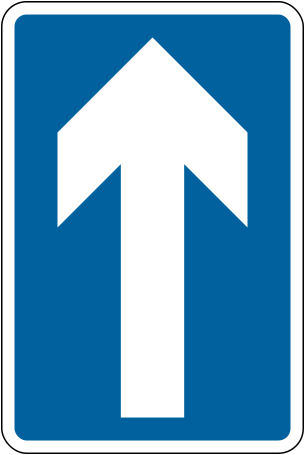
One Way
Blue rectangle with white arrow
Traffic flows in one direction only as indicated by the arrow.
Sign 652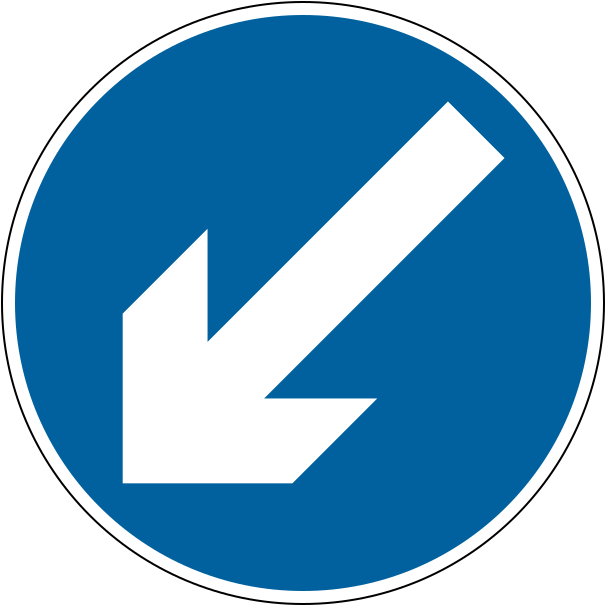
Keep Left
Blue circle with white arrow pointing left
Pass on the left side of the obstacle or traffic island.
Sign 610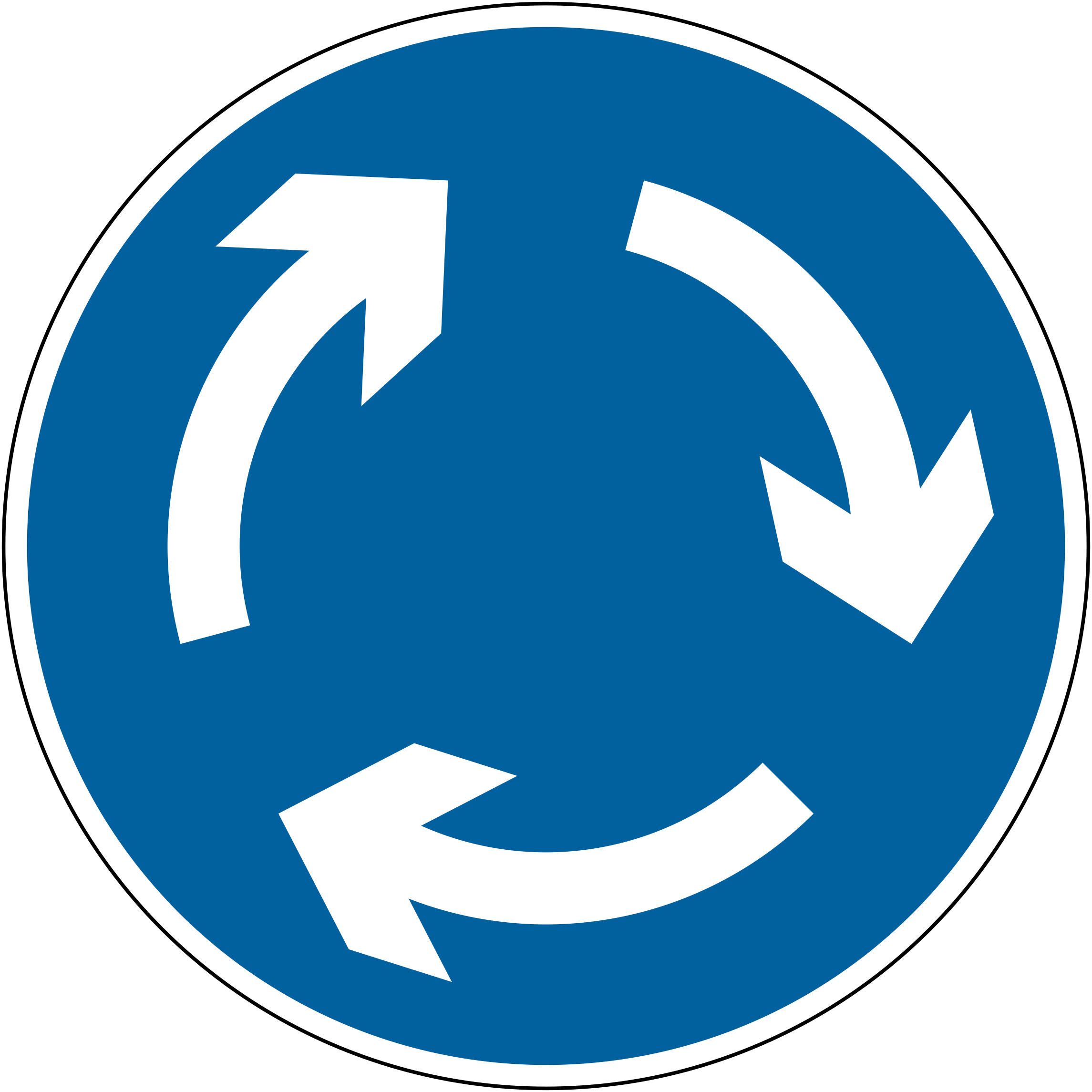
Mini Roundabout
Blue circle with white arrows in circular pattern
Give way to traffic from the right. Drive clockwise around the central marking.
Rule 188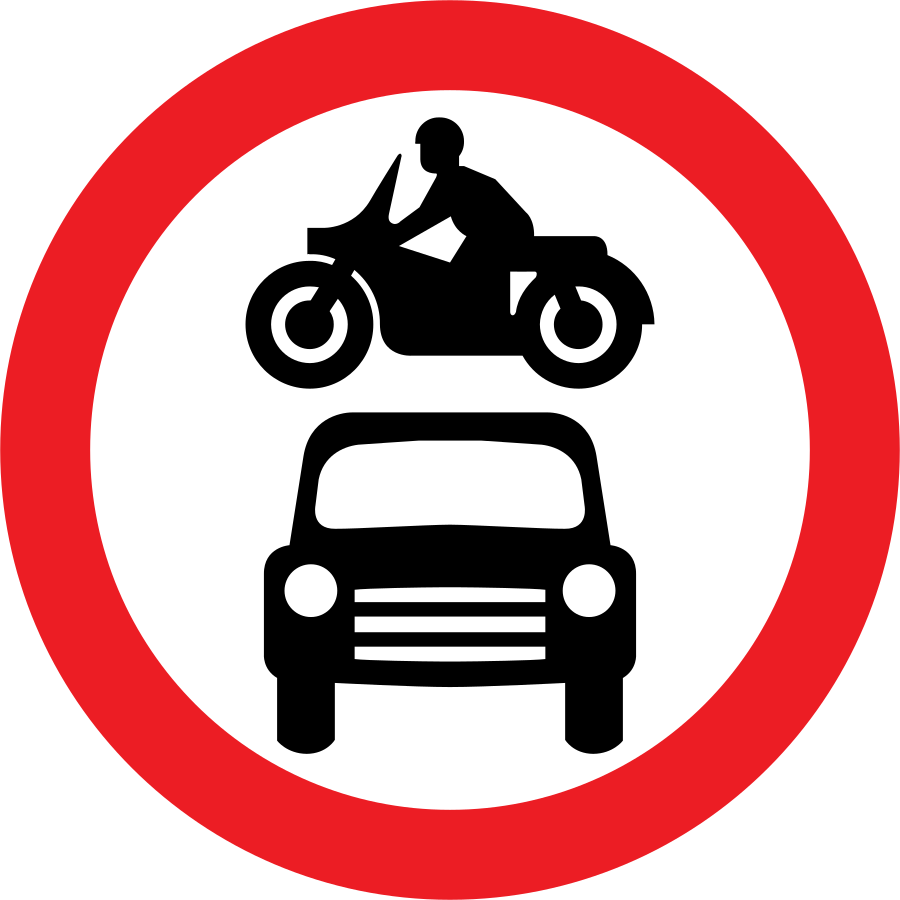
No Motor Vehicles
Red circle with car and motorcycle silhouettes
Motor vehicles are prohibited from this road or area.
Sign 619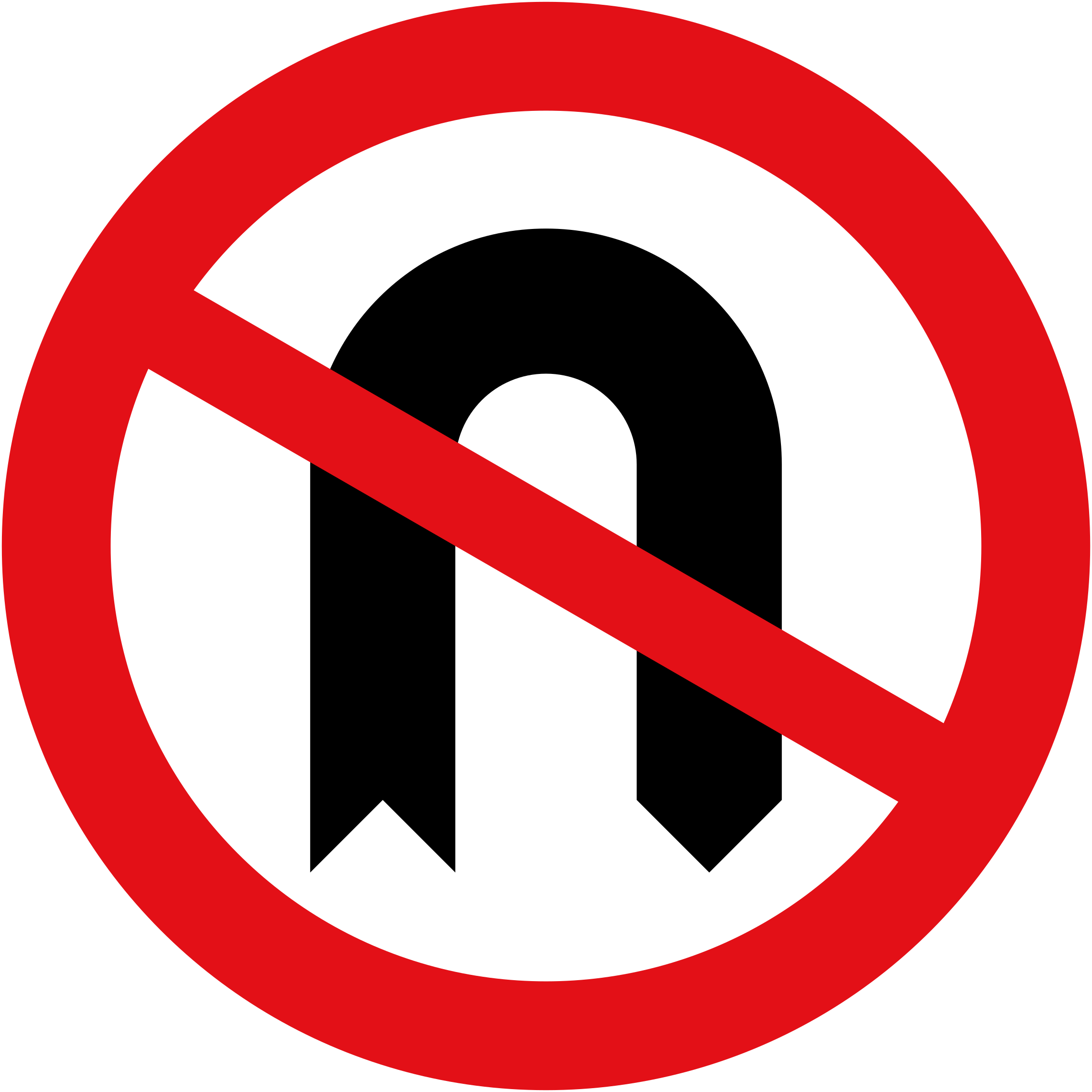
No U-Turns
U-turn arrow in red circle with red line through it
U-turns are not permitted at this location.
Sign 614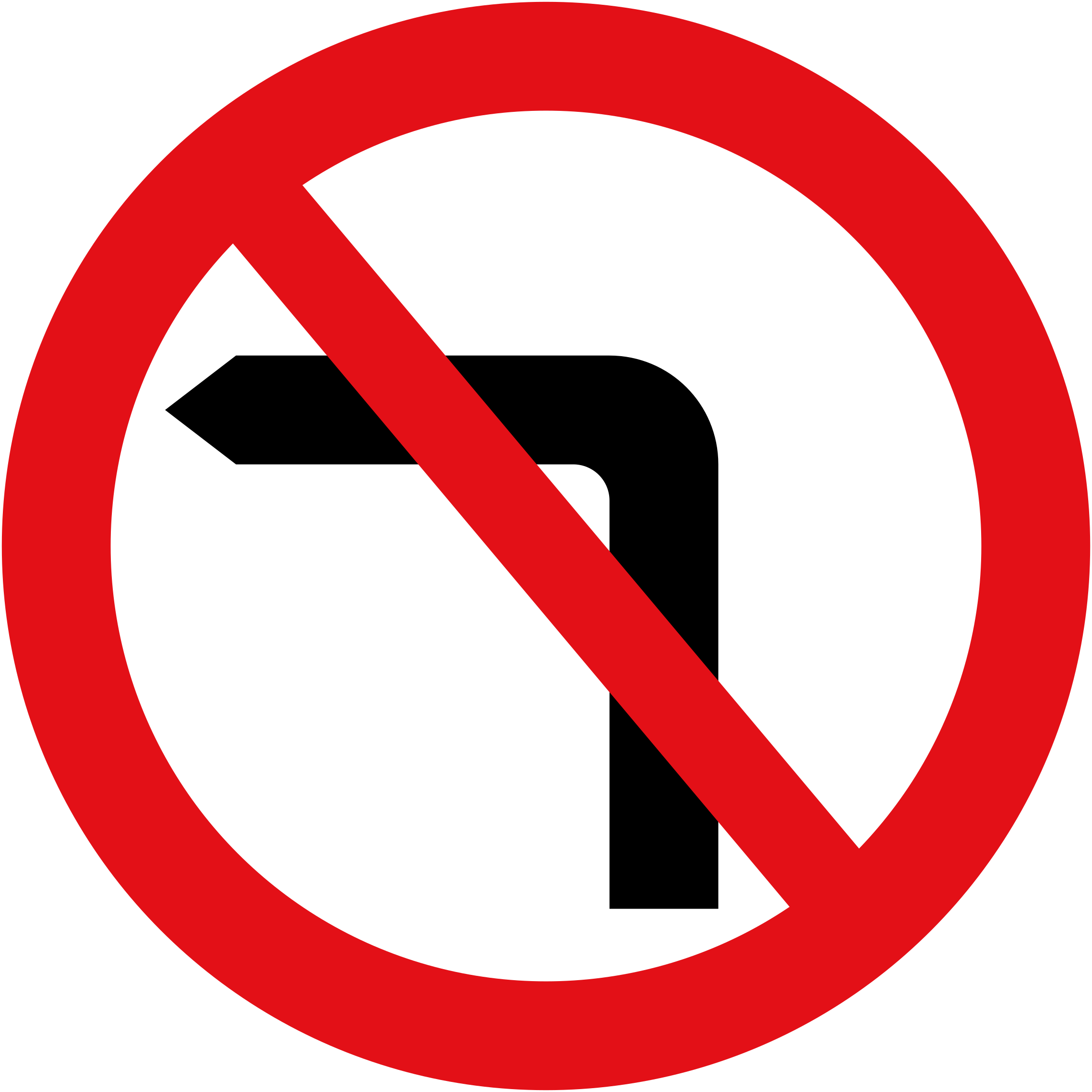
No Left Turn
Left arrow in red circle with red line through it
Left turns are not permitted at this junction.
Sign 613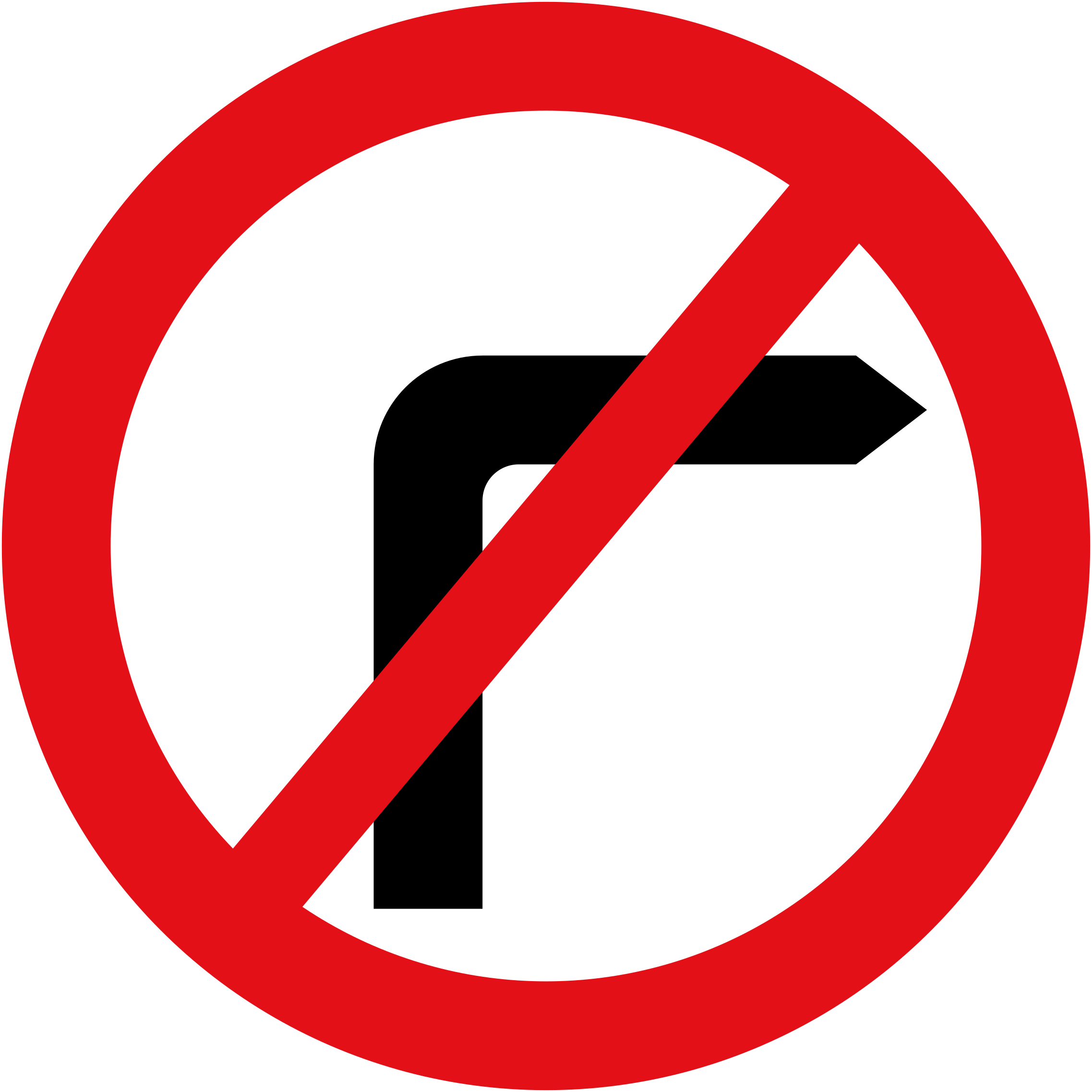
No Right Turn
Right arrow in red circle with red line through it
Right turns are not permitted at this junction.
Sign 612Ahead Only
White upward arrow on blue circle
You must proceed straight ahead only. No turning at this point.
Sign 606Road sign images reproduced from the Traffic Signs Regulations and General Directions (TSRGD). Contains public sector information licensed under the Open Government Licence v3.0.
Essential Signs to Know for Your Test
These 10 signs come up most frequently in theory tests and are critical for safe driving. Make sure you know them inside out.
Stop
Octagonal red sign with white STOP text
You must stop at the stop line. Give way to traffic on the main road before proceeding.
Rule 171
Why it matters
The only octagonal sign in the UK. Its unique shape means you can recognise it even if obscured by snow or dirt. Failing to stop is a serious offence.
Give Way
Inverted triangle with red border
Give way to traffic on the main road. You may proceed only when the way is clear.
Rule 172
Why it matters
The only inverted triangle sign. You must slow down and be ready to stop. Unlike a Stop sign, you may proceed if the way is clearly open.
No Entry
White horizontal bar on red circle
No vehicles may enter this road or area. Often used on one way streets to prevent wrong-way driving.
Sign 616
Why it matters
One of the most common regulatory signs. Driving past it puts you on the wrong side of a one-way street with oncoming traffic heading straight for you.
Speed Limit 30
Number 30 in red circle
Maximum speed allowed is 30 mph. Common in built up areas and residential streets.
Rule 125
Why it matters
The default limit in most built-up areas in England and Scotland (20 mph in Wales). Exceeding 30 mph in residential streets is one of the leading causes of pedestrian fatalities.
National Speed Limit
White circle with black diagonal stripe
National speed limit applies: 60 mph on single carriageways, 70 mph on dual carriageways and motorways for cars.
Rule 125
Why it matters
The most misunderstood sign in the UK. It does NOT mean "no speed limit". It means 60 mph on single carriageways and 70 mph on dual carriageways/motorways.
Roundabout Ahead
Circular arrows in red-bordered triangle
Roundabout ahead. Slow down and give way to traffic from the right.
Sign 510
Why it matters
Often placed before a roundabout, especially on faster roads. Give way to traffic already on the roundabout coming from your right. A very common theory test question.
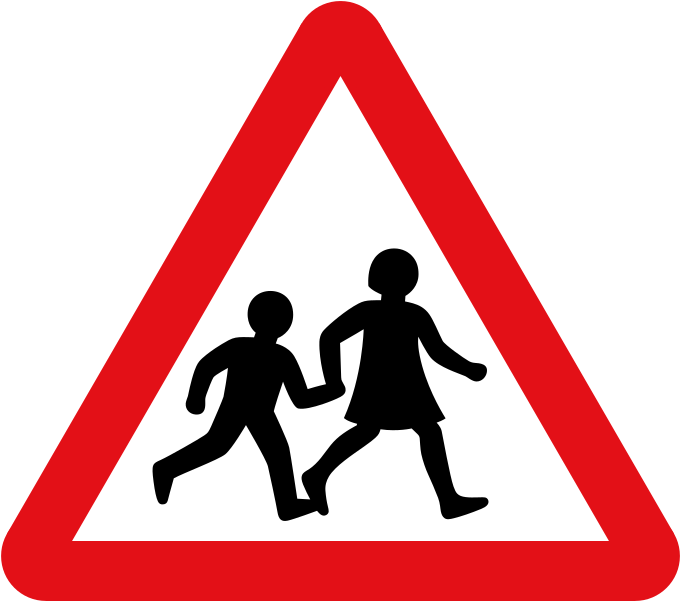
School Crossing
Children figures in red-bordered triangle
School area ahead with children likely to cross. Be extra alert, especially during school hours.
Rule 208
Why it matters
Active during school hours. Expect children to cross suddenly. Some areas use 20 mph zones around schools.
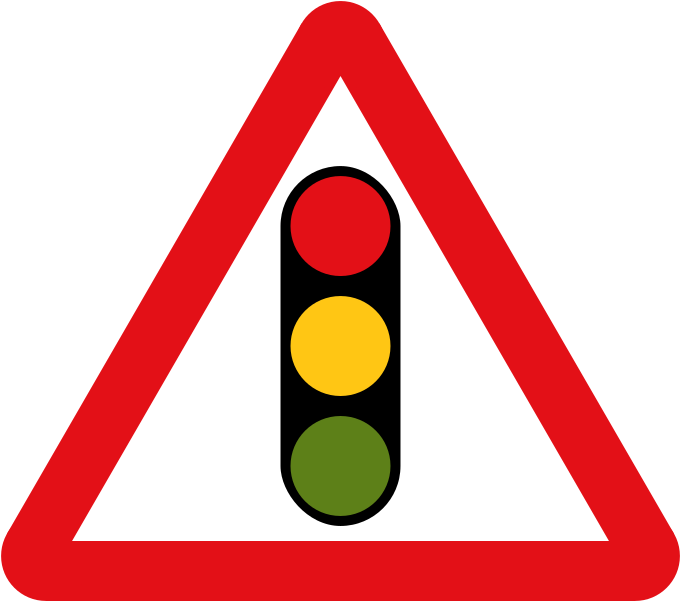
Traffic Lights
Traffic signal symbol in red-bordered triangle
Traffic signals ahead. Be prepared to stop.
Sign 543
Why it matters
Warns you traffic lights are ahead so you can start reducing speed, especially important on fast roads where signals may be hidden by bends or hills.
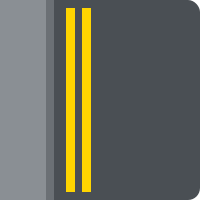
Double Yellow Lines
Two parallel yellow lines at kerb edge
No waiting at any time. You may stop to pick up or set down passengers, or to load and unload unless kerb marks or signs ban loading.
Rule 238
Why it matters
They mean no waiting at ANY time. You may stop to pick up or set down passengers, or to load and unload unless kerb marks or signs ban loading.
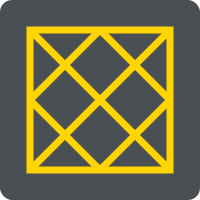
Box Junction
Yellow criss-cross lines on road surface
Do not enter the box unless your exit is clear. Exception: you may wait in the box to turn right if blocked by oncoming traffic.
Rule 174
Why it matters
Yellow criss-cross markings you must not enter unless your exit is clear. The one exception: you may wait inside to turn right if only blocked by oncoming traffic.
How to Remember Road Signs
Learn the shape-colour system first
Once you know that circles give orders and triangles warn, you can decode any sign, even ones you've never seen before.
Group signs by category
Study regulatory signs together, then warnings, then information signs. Patterns within each group make them easier to remember.
Use flashcards and spaced repetition
Review signs you got wrong more frequently. Apps like Anki or DVSA's official app use this technique automatically.
Spot signs when you're a passenger
Turn every car journey into practice. Try to name each sign before you pass it. Real world context locks the memory in.
Take practice quizzes regularly
Testing yourself is proven to be more effective than re-reading. Our mock tests include sign-specific questions.
Discuss with your instructor
Ask your instructor to point out signs during lessons. They can explain real world context that textbooks miss.
Test Your Knowledge
Reading about signs is a great start, but testing yourself is what locks the knowledge in. Try our free practice tools.
Road Signs FAQs
Related Resources
Continue building your driving knowledge with these guides.