Regulatory road signs are the signs that give you orders. They are the law of the road made visible, and ignoring them can result in fines, penalty points, or worse. This guide covers every type of regulatory sign you need to know for your theory test and everyday driving.
Quick Recognition Guide
Almost all regulatory signs are circular. The colour of the border and background tells you what kind of order it is giving. Red = prohibition, Blue = instruction.
🔎 How to Recognise Regulatory Signs
Regulatory signs follow a consistent design that makes them instantly recognisable:
Red Circle
Prohibition signs
You must NOT do this
Blue Circle
Mandatory signs
You MUST do this
Red + Number
Speed limits
Maximum speed (mph)
⚠ The Two Exceptions
Two regulatory signs break the circular rule, and they do so deliberately so you can recognise them instantly from any angle or distance:
🛑 Stop (Octagon)
The only eight sided sign in the UK. Even covered in snow, you can identify it by shape alone. You MUST stop at the white line.
▼ Give Way (Inverted Triangle)
The only sign that points downward. Slow down and give way to traffic on the main road.
🔴 Prohibition Signs (Red Circle)
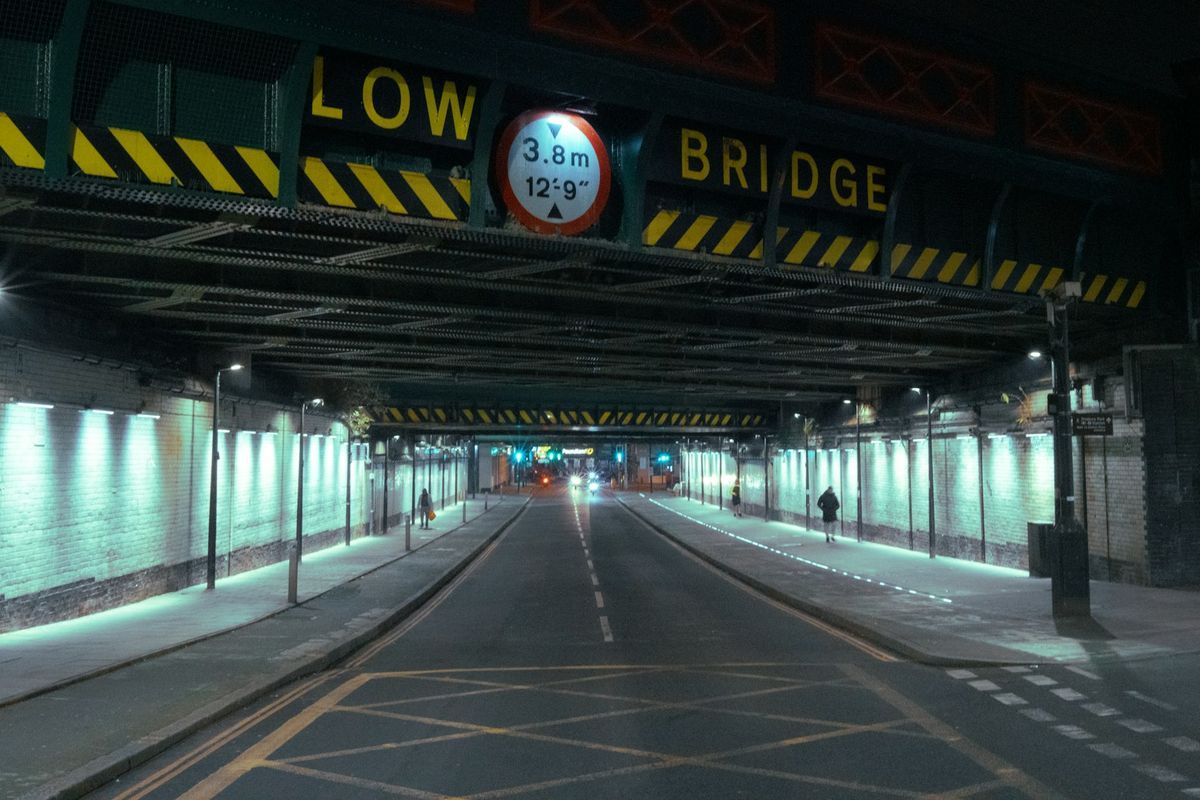
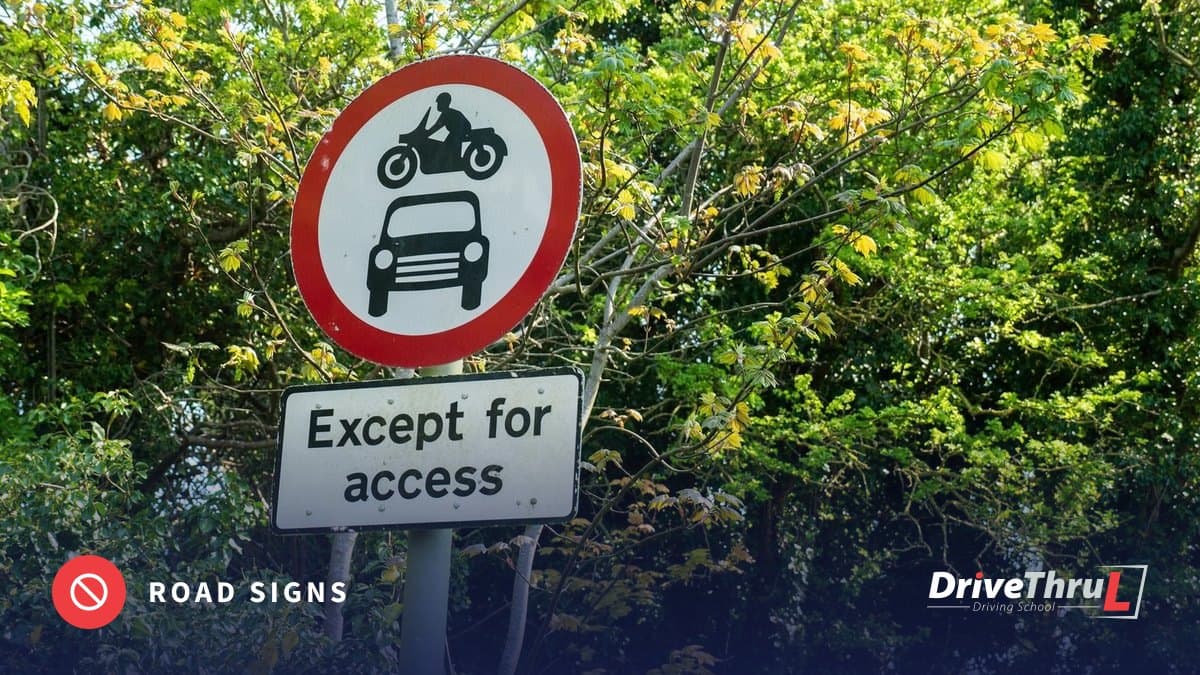
These tell you what you must NOT do. The red circle acts as a visual "no". Think of it as a red line drawn around the action.
⛔ No Entry
A white horizontal bar on a red circle. This is one of the most important signs on the road. Driving past it typically puts you on the wrong side of a one way street with oncoming traffic heading straight at you.
- ✓ Appears at entrance to one way streets
- ✓ Found at bus only roads
- ✓ Marks restricted areas
🚗 No Overtaking
Two cars side by side inside a red circle. You must not overtake any moving motor vehicle on this stretch of road. The restriction ends when you see the same sign with grey stripes through it (the "end of restriction" variant).
🚧 No Waiting and No Stopping
A red ring with a single red diagonal bar on blue means no waiting. You may stop to pick up or set down passengers, or to load and unload unless loading is also banned. A red circle with a red X means no stopping at all, not even to pick someone up.
💡 Theory Test Tip: These are common in urban areas and frequently tested. Know the difference!
❌ No Turning Signs
No Left Turn, No Right Turn, and No U-Turn signs all use the same format: the banned manoeuvre shown inside a red circle with a red line through it. They are placed at junctions where the turn would be dangerous or would disrupt traffic flow.
🎯 Speed Limit Signs
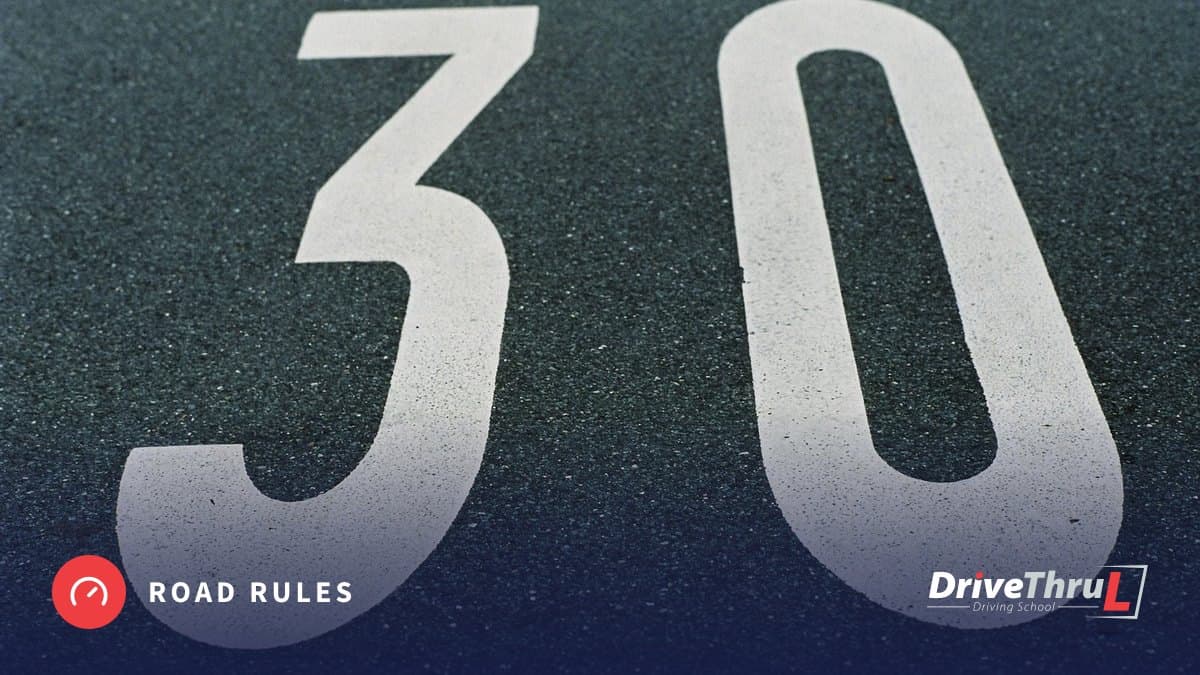
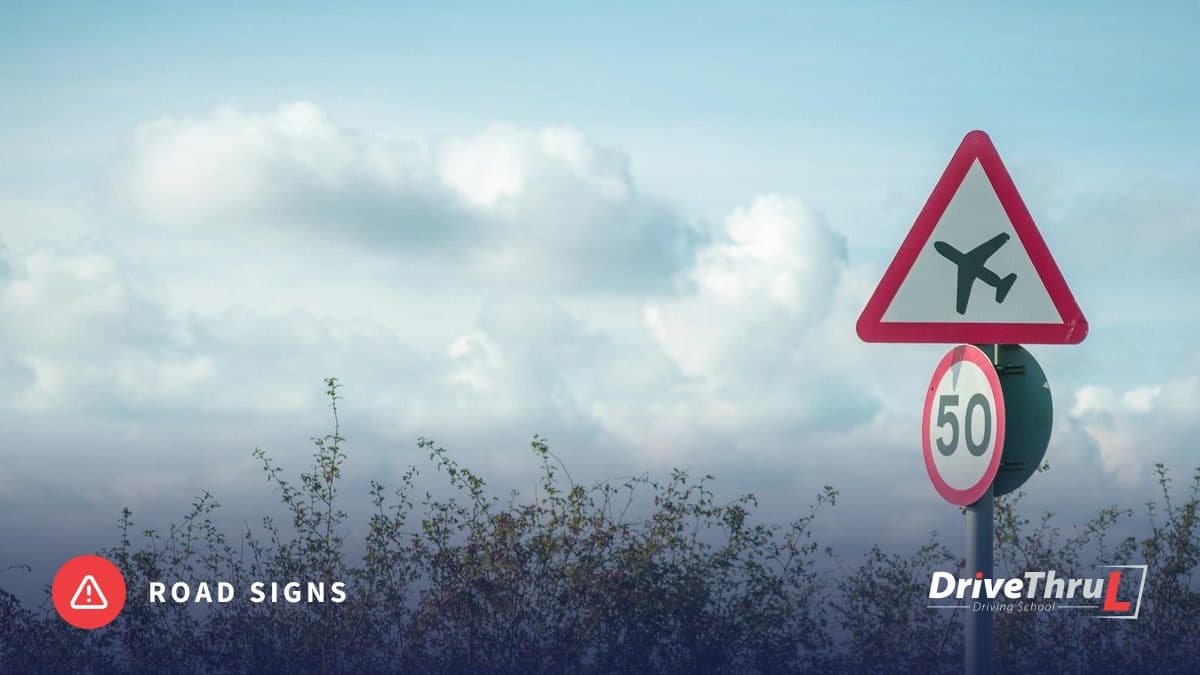
Speed limit signs are the regulatory signs you will encounter most often. A number inside a red circle shows the maximum speed in miles per hour.
🔄 National Speed Limit
The white circle with a black diagonal stripe is one of the most misunderstood signs in the UK. It does NOT mean "drive as fast as you like."
Even on a road with street lights, this sign means 60 or 70 for cars
Single carriageways
Dual carriageways & motorways
⚠ Different limits apply to larger vehicles and vehicles towing trailers.
🔵 Mandatory Instruction Signs (Blue Circle)
Blue circular signs tell you what you MUST do. They are positive instructions rather than prohibitions.
⬆ Ahead Only
White upward arrow on blue. You must go straight ahead at this junction.
⬅ Keep Left / Keep Right
White arrow on blue. Pass on the indicated side of a traffic island or obstruction.
🔄 Mini Roundabout
White circular arrows on blue. Give way to traffic from the right and drive clockwise.
➡ One Way
White arrow on blue rectangle. Traffic flows in one direction only.
📚 Why Regulatory Signs Matter for Your Theory Test
🎯 Exam Tips
- ✓ Regulatory signs appear in multiple theory test categories
- ✓ Expect questions showing a sign and asking what it means
- ✓ Know the legal consequences of ignoring signs (fines, points)
- ✓ Learn the shape colour system: red circle = "don't", blue circle = "do"
- ✓ This framework helps answer questions about unfamiliar signs
🚀 Ready to test your knowledge of regulatory signs?