Knowing your speed limits and road signs is not just about passing the theory test. It is fundamental to safe driving. Yet many learners and even experienced drivers get confused by the sheer variety of signs on UK roads. This guide explains the system clearly so you can drive confidently and legally.
Key Fact
Speed limits are maximums, not targets. Driving at an inappropriate speed, even within the limit, can result in a driving test fault and, more importantly, a dangerous situation.
🚗 UK Speed Limits Explained
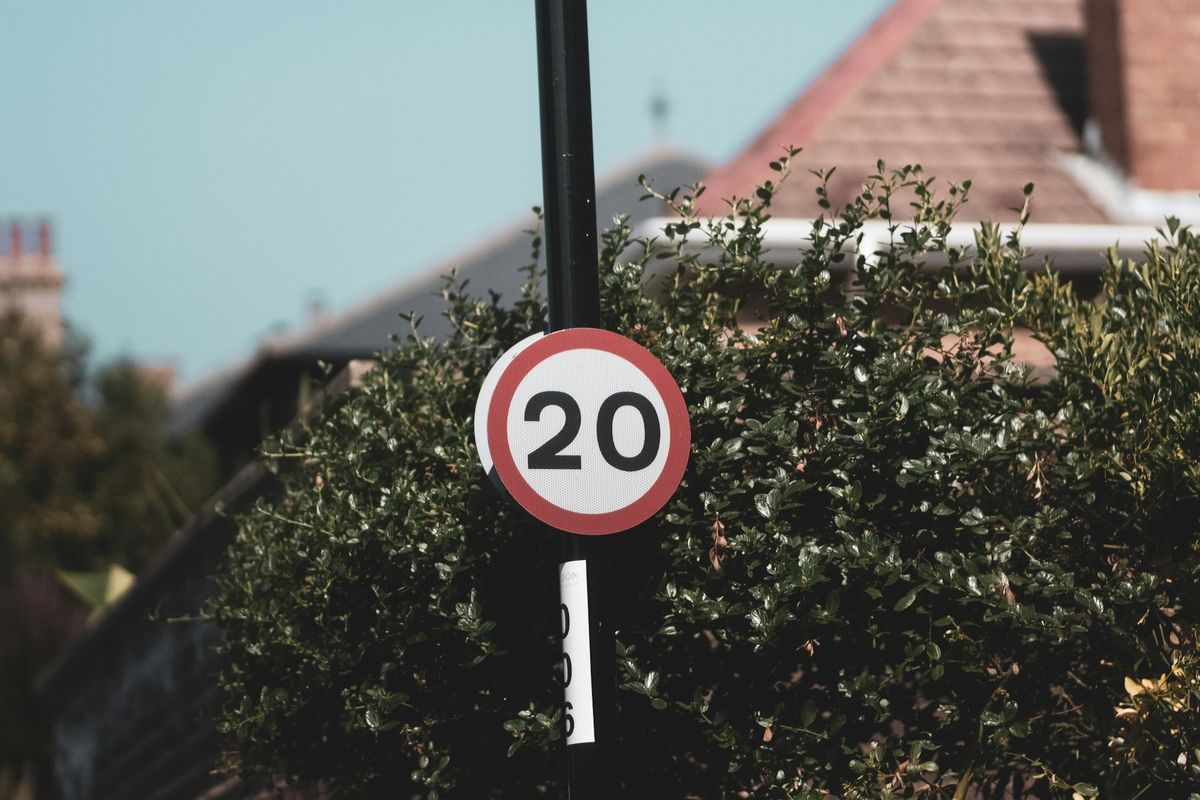
Speed limits in the UK vary depending on the type of road and the type of vehicle you are driving. For cars, the standard limits are shown below:
🏙 Built Up Areas (Towns and Cities)
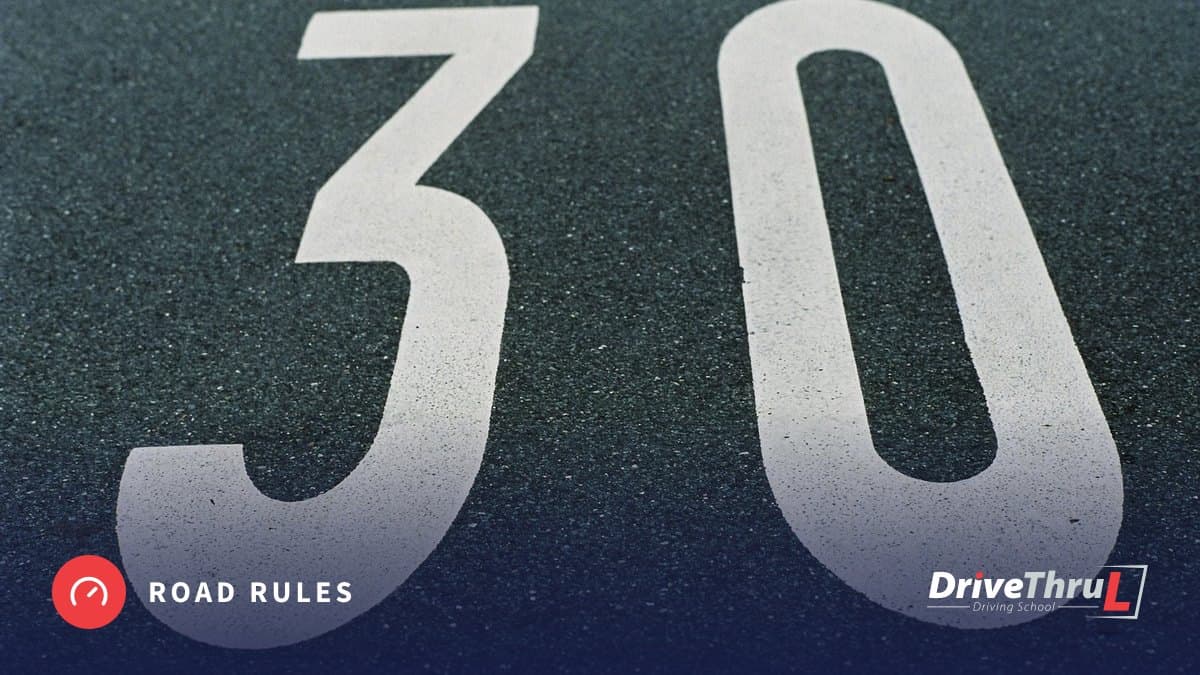
The default speed limit in a built up area is 30 mph. You are in a built up area if there are street lights at regular intervals (usually every 200 yards or less). You do not need a speed limit sign. The presence of street lights tells you the limit is 30 mph unless signs say otherwise. In Wales the default on these roads has been 20 mph since 2023.
Many areas, particularly residential streets and areas near schools, now have 20 mph zones. These are marked with repeater signs and sometimes road markings. In London, 20 mph zones have become increasingly common.
🛣 Single Carriageways
On single carriageways outside built up areas (one lane in each direction), the national speed limit for cars is 60 mph. This is indicated by the national speed limit sign: a white circle with a black diagonal stripe.
🚗 Dual Carriageways and Motorways
On dual carriageways (roads with a central reservation separating the two directions of traffic), the national speed limit for cars is 70 mph. The same limit applies to motorways. However, many motorways now have variable speed limits displayed on overhead gantries, which are legally enforceable.
⚠ Speed Limits Are Maximums, Not Targets
🚨 Important Safety Reminder
A speed limit tells you the fastest you may legally drive on that road. It does not mean you should always drive at that speed.
- ✓ In poor weather, drive significantly slower
- ✓ In heavy traffic, adjust to conditions
- ✓ Near schools, be extra cautious
- ✓ At night, visibility is reduced
🔴 Understanding Road Signs
UK road signs follow a logical system based on shapes and colours. Once you understand the system, you can interpret most signs even if you have never seen them before.
Circles
Give Orders
Triangles
Warn of Hazards
Rectangles
Give Information
🔴 Circles: Orders
Circular signs give orders. There are two types:
🔴 Red Circles (Prohibitions)
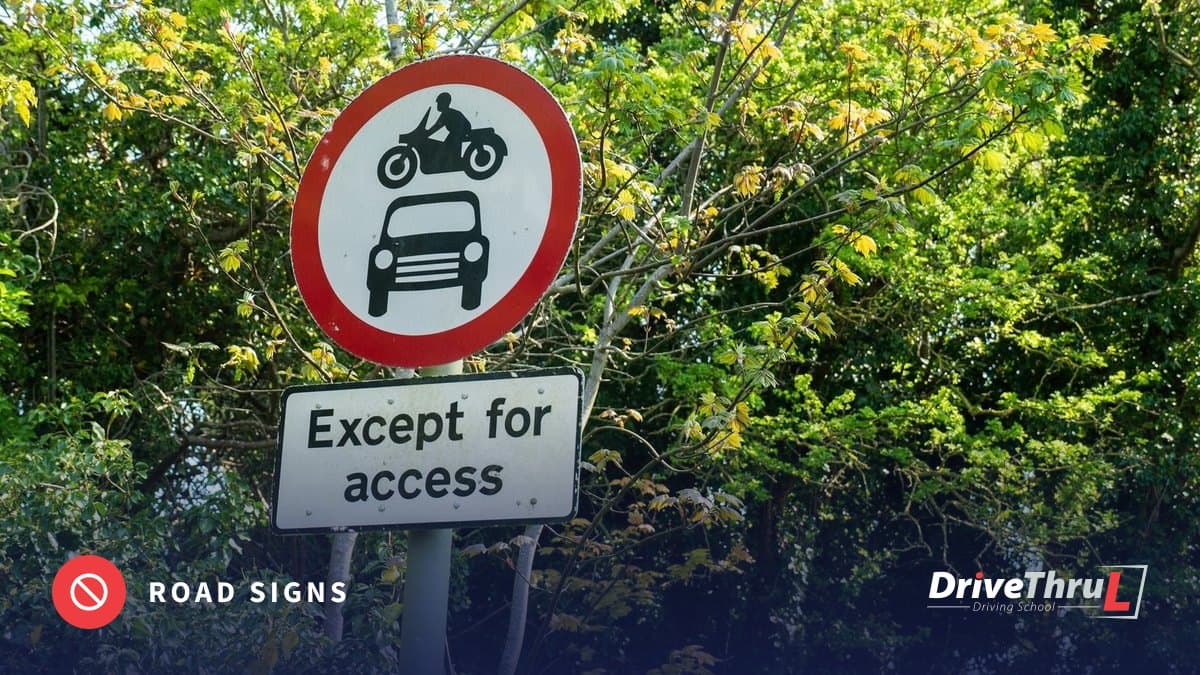
Red border on white background. These are things you must not do.
- ✗ No entry
- ✗ No overtaking
- ✗ Speed limits
- ✗ No U-turns
🔵 Blue Circles (Instructions)
Solid blue with white symbols. These are things you must do.
- ✓ Minimum speed
- ✓ Turn left
- ✓ Keep left
- ✓ Route for specific vehicles
⚠ Triangles: Warnings
💡 Recognition Tip
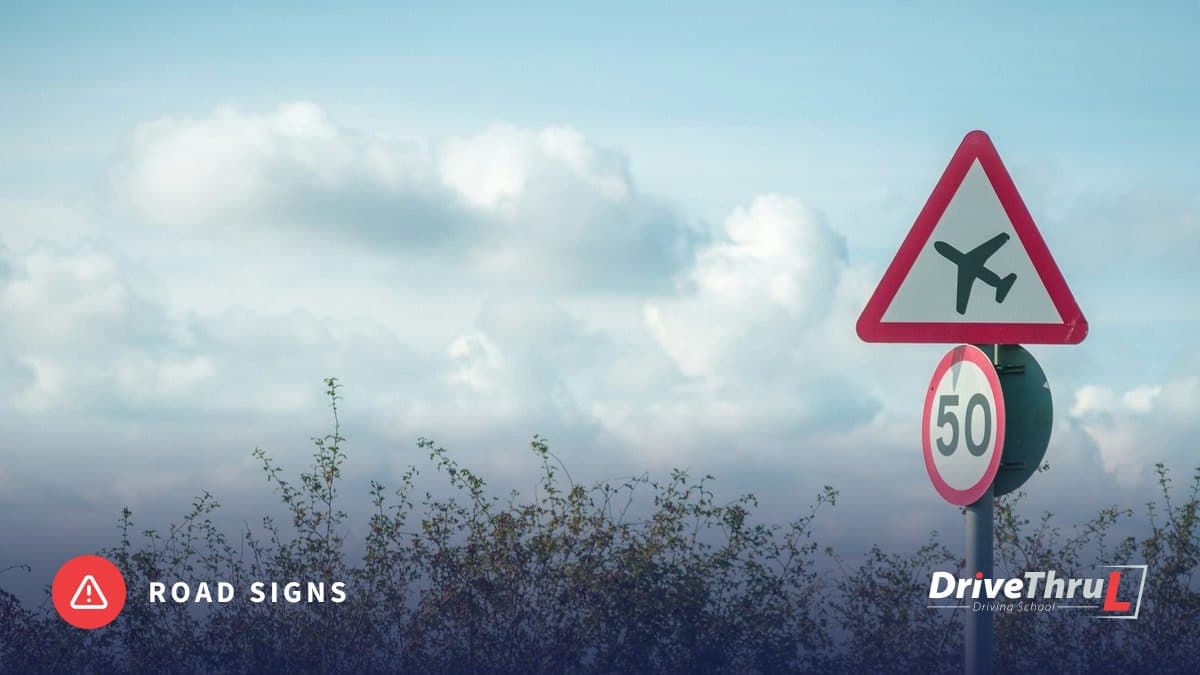
Triangular signs with a red border warn you of hazards ahead. They tell you to be prepared for something: a bend, a junction, a level crossing, or roadworks. The symbol inside the triangle tells you what the specific hazard is.
🔶 Rectangles: Information
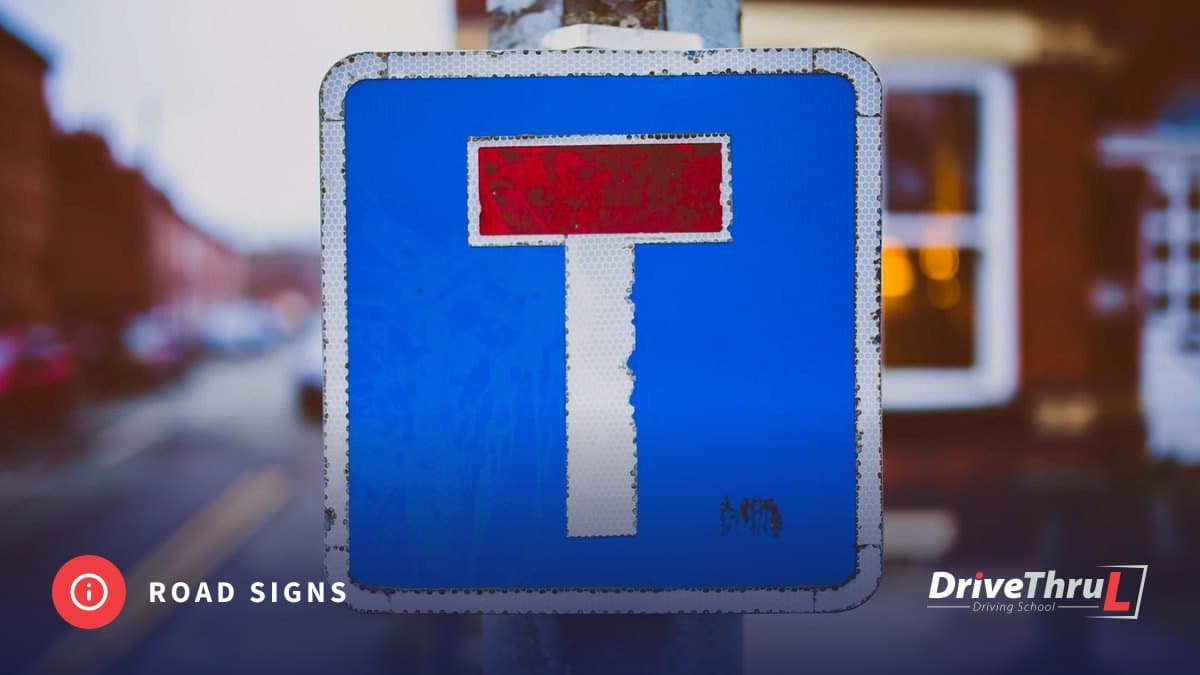
Rectangular signs give information. The colour tells you the type of road:
🎯 Signs Every Learner Must Know
▼ Give Way
An inverted triangle with a red border. You must give way to traffic on the road you are joining. Slow down, look, and only proceed when it is safe.
◼ Stop
The only octagonal sign on UK roads. Red with white text. You must come to a complete stop, even if the road appears clear. The solid white line across the road marks where you must stop.
🔄 Roundabout Ahead
Roundabout ahead is a red-bordered triangle with three circular arrows. A blue circle with three white arrows means mini-roundabout: give way to traffic from your immediate right.
⛔ No Entry
A red circle with a white horizontal bar. You must not enter the road from your direction. Common on one way streets.
➡ One Way
A blue rectangle with a white arrow. Traffic flows in one direction only.
🚧 Road Markings
Road markings work alongside signs to control traffic:
White Dashed Centre Line
Normal lane division. You may cross to overtake if safe.
Double White Lines (Solid)
You must not cross or straddle these lines.
Single Yellow Line
Waiting restrictions apply at certain times (check nearby signs).
Double Yellow Lines
No waiting at any time.
⚠ Zig-Zag Lines Warning
Zig-zag lines near pedestrian crossings or school entrances mean no stopping. Parking here blocks visibility for pedestrians and drivers, creating a serious hazard.
📚 Studying Road Signs for Your Theory Test
🎯 Study Tips
- ✓ Learn the underlying system (shapes, colours, meanings) rather than memorising every sign
- ✓ There are over 100 signs in the Highway Code, but the system makes them logical
- ✓ Practise by looking at signs as a passenger and testing yourself
- ✓ Use the official DVSA theory test practice app
- ✓ Study the Highway Code for the most common signs, and the DfT booklet Know Your Traffic Signs for the full set
💡 Common Mistakes to Avoid
- ✗ Confusing blue circles (must do) with red circles (must not do)
- ✗ Not knowing the national speed limit sign (white circle, black diagonal stripe)
- ✗ Forgetting that street lights mean 30 mph (20 mph in Wales) unless signed otherwise
- ✗ Thinking speed limits are targets rather than maximums
- ✗ Ignoring variable speed limits on smart motorways
🚀 Ready to test your knowledge?
Practise recognising signs in real driving conditions with our experienced instructors.