One of the first decisions you'll make as a learner driver is whether to learn in a manual or automatic car. It's a bigger decision than most people realise. The type of licence you earn affects which vehicles you can legally drive for the rest of your life, unless you take another test. This comprehensive guide breaks down everything you need to know to make the right choice.
Manual vs Automatic: Your Complete Guide
Everything you need to make an informed decision about your driving lessons.
⚙ Understanding the Fundamental Difference
Before diving into the pros and cons, let's understand what actually separates manual and automatic cars.
🛠 How Manual Cars Work
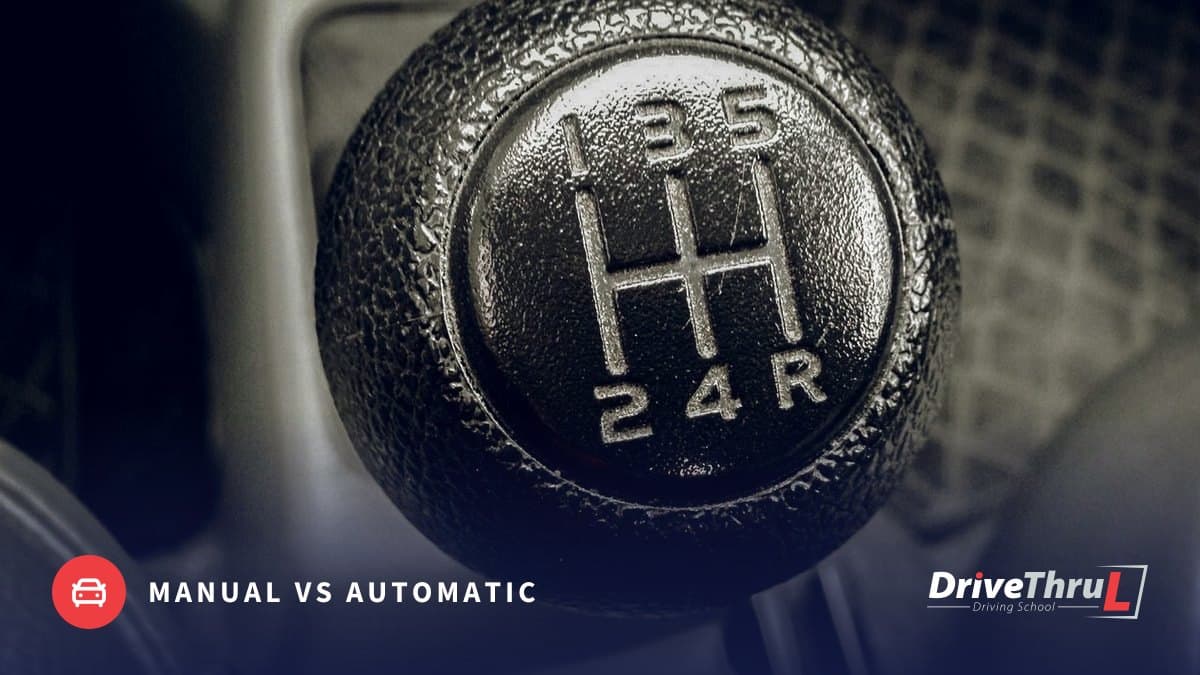
In a manual car, you have three pedals: clutch, brake, and accelerator. You control the gears yourself using a gear stick (typically with 5-6 forward gears plus reverse). To change gear, you:
Press the clutch pedal down fully
Move the gear stick to the desired gear
Gradually release the clutch while applying the accelerator
This requires coordination and practice, especially finding the "biting point" where the clutch engages. Hill starts, in particular, require careful clutch control to avoid rolling backwards or stalling.
⚡ How Automatic Cars Work
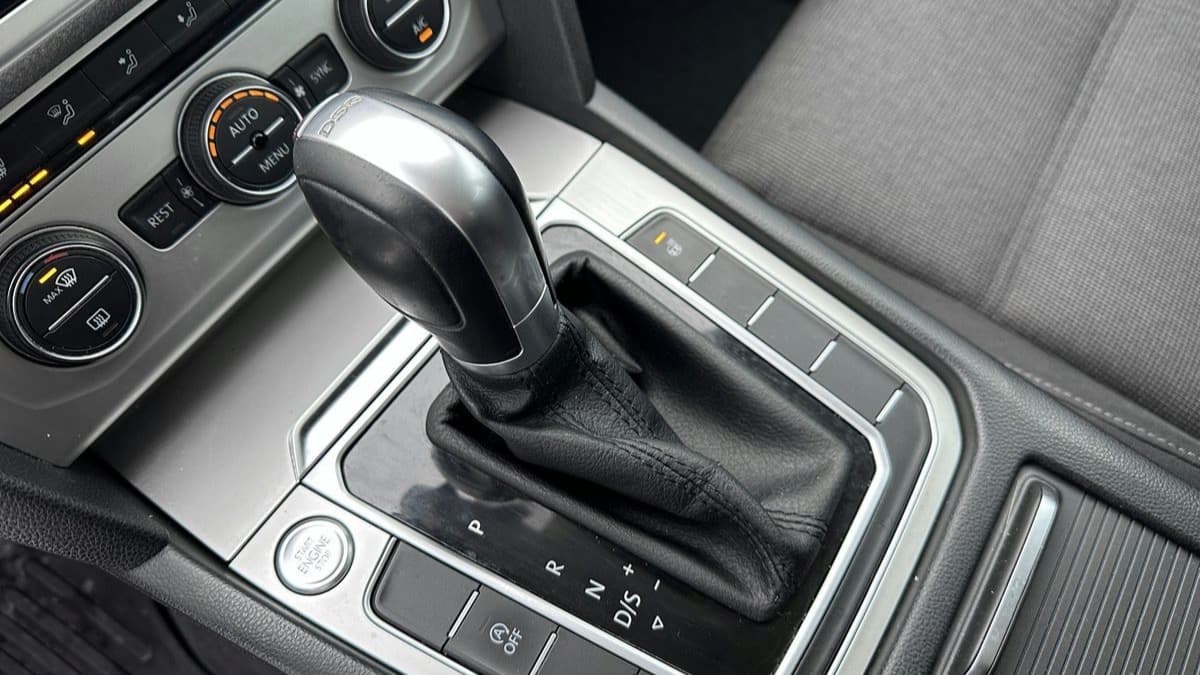
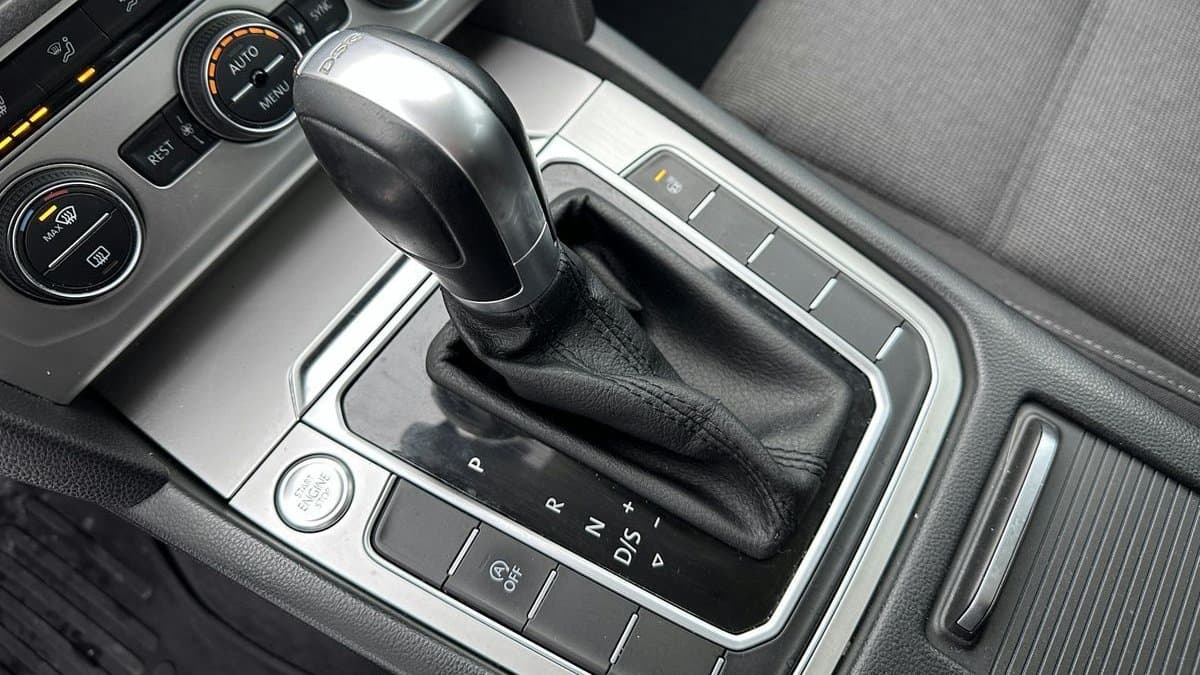
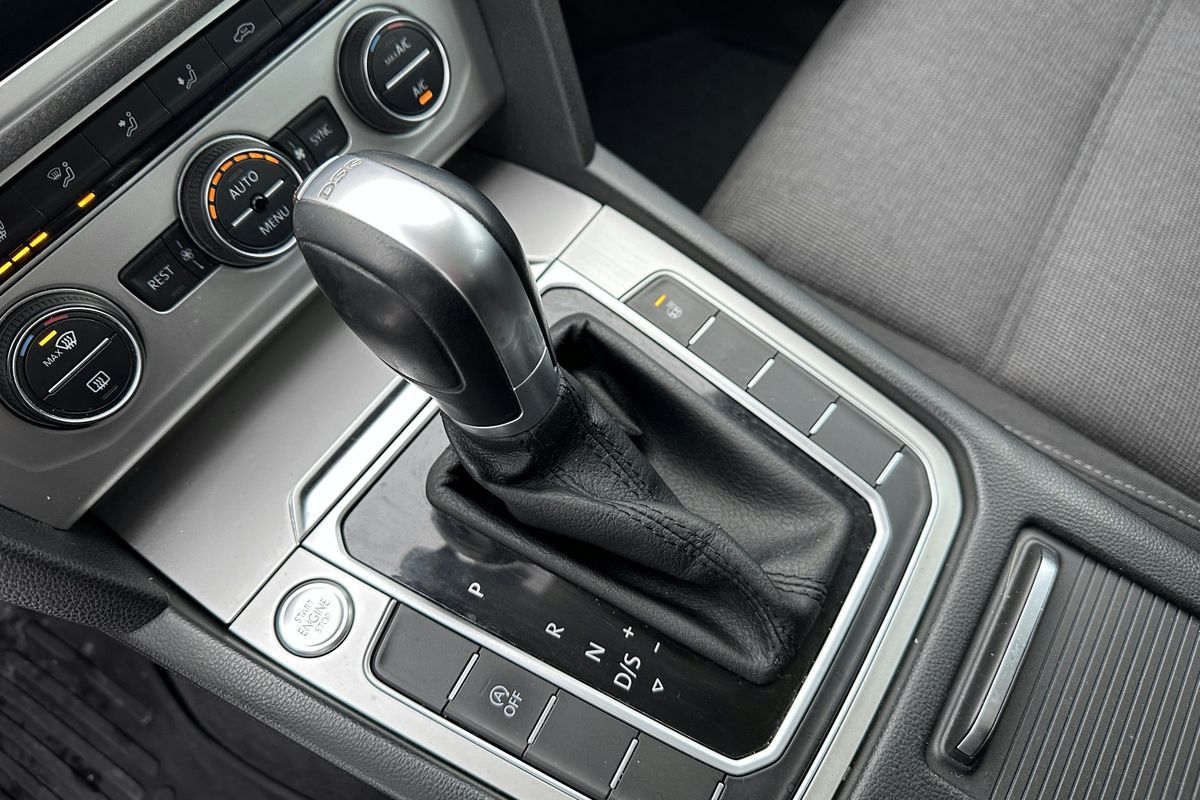
Automatic cars have just two pedals: brake and accelerator. The car changes gears for you based on your speed and engine load. You simply:
Select 'D' for Drive
(or 'R' for Reverse)
Use Two Pedals
Accelerator to go, brake to stop
There's no clutch to manage, no gears to select, and no possibility of stalling. The car handles all the mechanical complexity automatically.
The Critical Licence Difference
This is the most important thing to understand:
To upgrade from an automatic to a full manual licence, you'd need to take another practical driving test. This is set by driving licence law: passing in an automatic gives you a category B automatic-only licence.
🚗 Manual Lessons: Complete Breakdown
✓ Advantages of Learning Manual
- Full licence flexibility: Drive any car. Manual, automatic, hybrid, or older vehicles. One test, all options open.
- Better second-hand car options: A large share of used cars on the UK market are still manual. With a manual licence, you have access to the full market and often cheaper options.
- Greater vehicle control: Manual transmission gives you precise control over engine braking, which is useful on steep hills, in snow/ice, when towing, or in any situation requiring finesse.
- Career flexibility: Some jobs require driving manual vehicles. Delivery vans, older fleet vehicles, agricultural machinery, and certain commercial vehicles.
- Driving abroad: In many European countries (France, Spain, Italy, Germany), manual cars are still more common, especially in rental fleets. A manual licence gives you more options when travelling.
Disadvantages of Learning Manual
- Steeper learning curve: Clutch control, gear selection, and coordinating three pedals adds significant complexity. It takes longer to become comfortable.
- More to learn: Clutch control, gear changes and hill starts all take lesson time, so many manual learners need more hours than they would in an automatic.
- More stalling: Especially in the early stages and in heavy stop start traffic. This can be frustrating and embarrassing.
- Hill starts are harder: Coordinating clutch, accelerator, and handbrake on hills requires practice and can cause anxiety.
- More fatigue in traffic: Constant clutch work in congested areas like Central London can be tiring.
Automatic Lessons: Complete Breakdown
Advantages of Learning Automatic
- Faster to learn: With fewer skills to master, many learners reach test standard in fewer hours. There is no official figure for how many fewer, and GOV.UK sets no minimum for either.
- Lower total cost: Fewer lessons mean less money spent on instruction, even if per hour rates are similar.
- Less stressful: No stalling, no biting point anxiety, no hill start panic. You can focus entirely on road awareness and positioning.
- Easier in traffic: East London's stop start traffic is much less tiring in an automatic. Just brake and accelerate.
- Future-proof: Most new cars sold in the UK are now automatic, and every electric vehicle is automatic. The future is clearly automatic.
- Accessibility: Ideal for people with certain physical conditions or disabilities that make clutch use difficult or impossible.
Disadvantages of Learning Automatic
- Licence restriction: You cannot legally drive a manual car. To do so, you'd need to take another practical test.
- Fewer instructor options: Not all driving schools offer automatic lessons, though this is changing rapidly. DriveThruL offers both.
- Slightly reduced used car choice: A meaningful share of the used car market is still manual, though it shrinks every year.
- Perception issues: Some people (unfairly) view automatic only licences as "easier". though this attitude is becoming outdated.
The Numbers: Cost and Time Comparison
There is no official figure for how many hours either takes. GOV.UK sets no minimum number of lessons and publishes no average for automatic learners, so be wary of any precise "automatic saves 10 hours" claim. What is true is where the time goes: a manual learner spends lessons on clutch control, gears and hill starts that an automatic learner never needs, while observation, junctions, roundabouts and manoeuvres take the same work in both.
Per hour, automatic lessons usually cost the same or a little more than manual. Whether automatic works out cheaper overall depends on how many of those manual-only hours you would have needed. Our guide to how many automatic lessons you need explains what decides the number.
The Electric Vehicle Factor
This is perhaps the most important consideration for the future of driving.
"The UK government plans to end sales of new pure petrol and diesel cars in 2030, with hybrids to follow by 2035. Nearly every electric car is automatic. The question isn't whether automatic will dominate, it's how quickly."
Consider the trajectory:
- Around 2020: automatics reached roughly half of new car sales for the first time
- Today: most new cars sold in the UK are automatic, driven by hybrids and electric cars
- 2030s: new cars are expected to be overwhelmingly automatic as electric sales take over
If you're learning to drive today and plan to drive for the next 30-40 years, you'll spend the majority of that time in a world where automatic is the default.
Making Your Decision: A Practical Framework
Choose MANUAL If:
- You want maximum flexibility and the ability to drive any vehicle
- You plan to buy a used car (where manual options are often cheaper)
- Your job might require driving manual vehicles (delivery, commercial, agricultural)
- You frequently travel to countries where manual cars dominate
- You enjoy the engagement and control of manual driving
- You're not in a rush and don't mind the extra learning time
Choose AUTOMATIC If:
- You want to pass as quickly and affordably as possible
- You find clutch control particularly stressful or frustrating
- You'll mainly drive in heavy urban traffic (like East London)
- You plan to buy a new or electric car (which will be automatic)
- You have a physical condition affecting clutch use
- You want to focus purely on road awareness without mechanical distractions
- You're primarily interested in driving as transport, not as a hobby
Common Questions Answered
Can I Switch From Manual to Automatic Mid Training?
Yes, absolutely. If you start learning manual and find it too stressful or slow, switching to automatic is straightforward. Your road awareness, positioning, and hazard perception skills transfer directly. You'll just need an instructor with an automatic car, and you may progress faster from that point.
Can I Switch From Automatic to Manual?
This is harder. If you've learned in an automatic and want a full manual licence, you'll need to take another practical driving test in a manual car. This means learning clutch control from scratch and taking more lessons. You do not need another theory test, and the test is booked by phone rather than online: our guide to code 78 and upgrading to manual covers each step.
Is an Automatic Licence "Easier" or "Less Valid"?
No. The driving test is identical in difficulty. Same routes, same manoeuvres, same marking criteria. The only difference is the vehicle. An automatic licence is a full, valid UK driving licence. The outdated perception that automatic is "cheating" is rapidly disappearing as automatic becomes the norm.
What About Insurance Costs?
There's no significant difference in insurance costs between manual and automatic licence holders. Insurance is based on the car you drive, your experience, location, and other factors. Not on whether your licence covers manual or automatic.
Can I Take My Test in an Automatic and Get a Manual Licence?
No. The licence type is determined by the vehicle you take your test in. To get a manual licence, you must pass in a manual car.
Our Recommendation
There's no universally "right" answer. It depends on your circumstances. However, here's our general guidance:
- If time and cost are your priorities and you plan to drive modern cars, choose automatic. You'll pass faster, spend less, and be perfectly equipped for the future of driving.
- If flexibility is paramount and you don't mind investing extra time and money, choose manual. You'll have access to every vehicle on the road.
At DriveThruL, we offer both manual and automatic lessons across East London. Our instructors will give you honest advice based on your specific situation. We're not going to push you either way.
Still unsure? Book a trial lesson or speak to one of our instructors. Sometimes the best way to decide is to try both and see what feels right.