Your child has started driving lessons, and now they want to practise in your car. Private practice is one of the most effective ways to accelerate learning. The DVSA recommends it alongside professional instruction. But it can also be a source of stress, arguments, and the occasional sharp intake of breath. This comprehensive guide will help you support your child effectively, avoid common pitfalls, and maybe even enjoy the experience.
Your Role: Supportive Practice Partner
This guide gives you everything you need to help your child succeed, from legal requirements to emotional support.
📈 Why Private Practice Matters
The case for private practice is simple:
📊 What studies show learners spend
37-52
Hours with an instructor
13-20
Hours private practice
Learners who add regular private practice typically need fewer paid lessons, and supervised practice builds muscle memory and confidence that lessons alone cannot provide.
Think of it this way: professional lessons teach your child how to drive, while private practice helps them consolidate what they've learned. The extra time behind the wheel transforms conscious skills into automatic habits.
🕑 When to Start Private Practice
Don't rush it. Your child should have at least 5-10 professional lessons before you take them out. They need to have basic car control established:
Starting & Stopping
Moving off and braking smoothly
Steering Accurately
Keeping position and turning safely
Gear Changes
Without stalling (if manual)
Observations
Basic mirror use and awareness
💡 Parent Tip
The best approach is to ask their driving instructor directly: "When do you think they'll be ready for private practice?" A good instructor will give you an honest answer and may even suggest specific skills to practise first.
⚠ Legal Requirements: What You Must Have in Place
Before your child drives your car, ensure all legal requirements are met:
🛑 Mandatory Requirements
Breaking any of these rules is a serious offence. Driving without the right supervision can mean a fine of up to £1,000 and up to 6 penalty points on the provisional licence. Driving without insurance can mean an unlimited fine, a ban and up to 8 points. It is also illegal for the supervisor to use a mobile phone while supervising. If they're involved in an accident without proper insurance, the consequences are severe.
💰 Getting the Right Insurance
Your existing car insurance almost certainly does not cover a learner driver. You have several options:
Option 1: Add Them to Your Policy
Contact your insurer to add a named learner driver. This is often the most expensive option and may affect your no claims bonus if there's an incident.
Option 2: Learner Driver Insurance (Recommended)
Specialist short term policies available weekly, monthly, or for specific periods. These typically protect your no claims bonus and don't affect your own policy. Providers like Veygo, Marmalade, and Collingwood offer flexible options.
Option 3: Pay As You Go Insurance
Some providers offer hourly insurance via an app. Useful if practice sessions are infrequent, but can be expensive if you practise regularly.
💡 Important: Get the insurance in place before your child gets behind the wheel. Not after the first practice session.
🤝 How to Be an Effective Practice Partner
Here's where the real challenge begins. Being a supervising driver is very different from being a passenger, and very different from being a driving instructor.
🧠 Rule #1: Stay Calm (This Is Everything)
This is the most important rule and the hardest to follow. Your child will make mistakes. They will stall. They will drift. They will brake late. They will miss observations.
Your reaction to these mistakes matters more than the mistakes themselves.
"When I gasped at every near miss, my daughter became so nervous she didn't want to practise anymore. When I learned to stay calm and give quiet instructions, she relaxed and actually started improving."
👪 Parent of a DriveThruL student
❌ What NOT to Do
These reactions make them more nervous, damage confidence, and create reluctance to practise.
✅ Instead, Do This
- ✔ Take a deep breath
- ✔ Give clear, calm instructions ("slow down a bit here")
- ✔ Save detailed feedback for after the drive
- ✔ Use a steady, encouraging tone
📚 Rule #2: Reinforce the Instructor's Teaching
Your child's driving instructor has a specific teaching methodology based on current best practice. Driving techniques have evolved significantly. The way you learned 15, 20, or 30 years ago may no longer be recommended.
⚠ Common Conflicts Between Parents and Instructors
Hand Position
"10 and 2" is now "9 and 3" (airbag safety)
Steering Method
Pull push taught differently now
Mirror Checking
Frequency and order has specific rules
Hill Starts
Modern techniques differ from older methods
💬 Questions to Ask the Instructor First
- 💭 What skills should we focus on?
- 💭 How do you teach [specific skill]?
- 💭 Is there anything I should avoid doing differently?
Then reinforce their methods, even if they differ from yours.
⏱ Rule #3: Keep Sessions Short
Concentration fades quickly when learning something complex. 30-45 minute sessions are ideal.
30-45
Minutes per session
2-3x
Per week is ideal
Why shorter is better:
- 💤 Longer sessions lead to fatigue and frustration
- ⚠ Mistakes increase as concentration drops
- 😭 Negative experiences at the end are remembered more vividly
If either of you is getting frustrated, stop. There is no benefit to continuing when stress levels are high. It just creates negative associations with driving and with practising together.
🗺 Rule #4: Choose the Right Routes
🚗 Route Progression
Stage 1: Empty car parks, quiet industrial estates on weekends
Stage 2: Quiet residential streets with minimal traffic
Stage 3: Busier residential areas with junctions and parked cars
Stage 4: Main roads, roundabouts, traffic lights
Stage 5: Dual carriageways, more complex junctions
Stage 6: Busy town centres, rush hour traffic
Start with routes you know well. Avoid rush hour and bad weather in the early stages. And don't jump ahead. Build confidence at each stage before moving on.
❌ Common Mistakes Parents Make
Learn from others' mistakes:
Too Many Instructions
"Watch that car, check mirror, slow down, indicate!" overwhelms. Focus on one thing at a time.
Contradicting the Instructor
"Your instructor says X, but I always do Y" undermines teaching and causes confusion.
Comparing to Siblings
"Your brother picked this up much faster" is never helpful. Everyone learns at their own pace.
Losing Patience
If you can't stay calm, private practice is doing more harm than good.
Expecting Too Much Too Soon
Learning to drive takes time. Progress isn't always linear.
Running Commentary
Constant instruction is exhausting. Sometimes silence is what they need.
💖 What Your Child Actually Needs from You
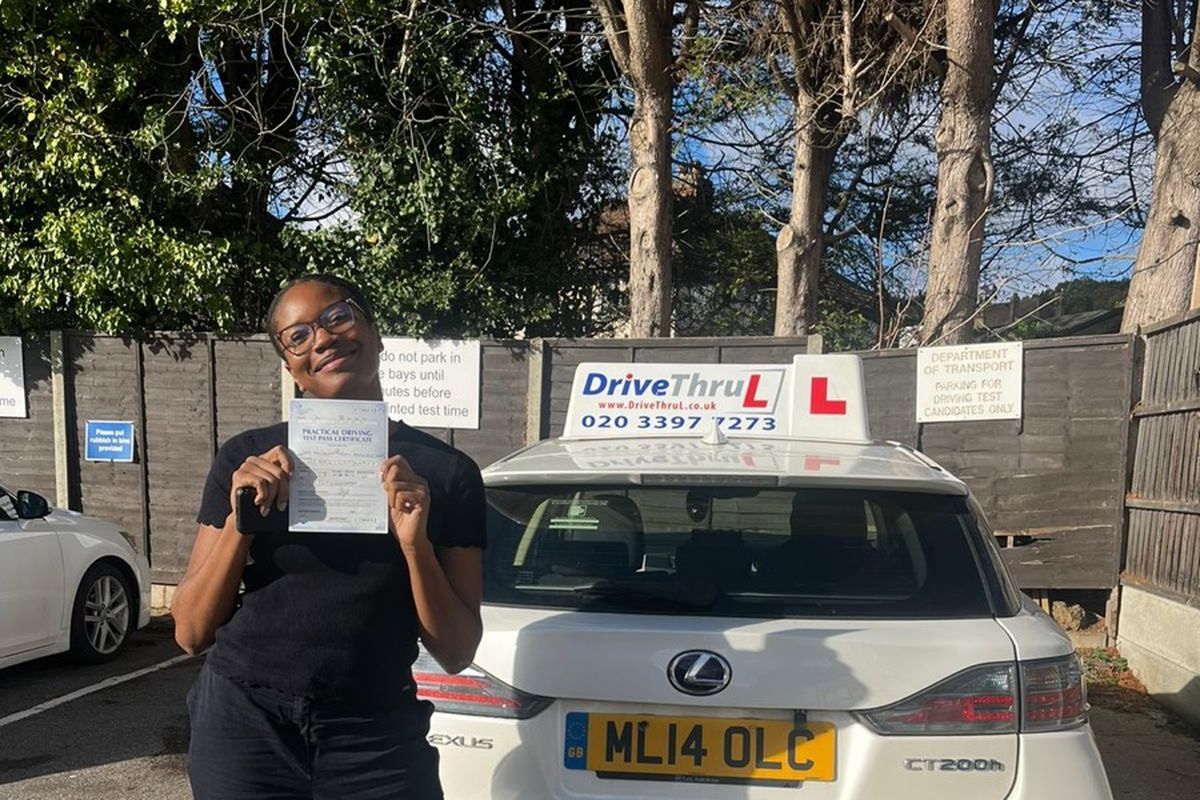
Above all, your child needs encouragement. Learning to drive is stressful, and having a supportive parent makes a genuine difference.
💜 Supportive Actions That Work
🙋 Knowing When to Step Back
Some parent-child combinations simply don't work well in the car. If every practice session ends in an argument, raised voices, or tears, it's better to acknowledge this and step back.
💡 Other Ways You Can Still Help
There's no shame in recognising that someone else might be a better practice partner. Perhaps another family member, or simply leaving it to the professional instructor.
📚 Supporting the Theory Test
While you can't directly help with practical driving skills if you're not suitable as a supervising driver, you can absolutely help with the theory test:
Quiz on Road Signs
Point out signs when driving together as passenger and driver
Hazard Perception
Watch clips together and discuss when hazards appear
Regular Practice
Encourage use of the official DVSA theory test app
Study Routine
15-20 minutes a day is more effective than cramming
The theory test must be passed before the practical test can be booked, so this support is genuinely valuable.
💬 Questions to Ask the Driving Instructor
Building a relationship with your child's instructor helps everyone:
- 📈 How is my child progressing?
- 🎯 What should we focus on in private practice?
- ⚠ Are there any bad habits I should watch for?
- 📚 How do you teach [specific manoeuvre]?
- 📅 When do you think they'll be ready for their test?
Most instructors are happy to have a brief conversation with parents. At DriveThruL, we encourage it. We're all working toward the same goal.
Questions About Your Child's Progress?
We're always happy to chat with parents about their child's development and how you can best support them.
Get in Touch with DriveThruL