Need to pass your driving test quickly? Intensive driving courses, also known as "crash courses" or "fast pass" programmes, offer a way to go from learner to full licence holder in just 1-4 weeks instead of the usual 6-12 months. But are they right for you? This complete guide covers everything you need to know before booking an intensive course.
Fast Track Your Driving Success
This guide will help you decide if an intensive course is right for you and how to maximise your chances of success.
📚 What Is an Intensive Driving Course?
An intensive driving course compresses your driving lessons into a short, concentrated period. Instead of taking one or two lessons per week over several months, you'll have multiple hours of instruction each day for 1-4 weeks.
Traditional Lessons
1-2 hours per week for 6-12 months
Intensive Course
4-6 hours per day for 1-4 weeks
💬 Common Names for Intensive Courses
You might see intensive driving courses advertised under various names:
- Crash courses (nothing to do with crashing, just learning fast!)
- Fast pass courses
- Intensive driving programmes
- Block booking courses
- One week driving courses
Whatever the name, the concept is the same: concentrated learning over a short period, often ending with a practical driving test.
💰 DriveThruL Intensive Packages
At DriveThruL, we offer flexible intensive packages to suit different experience levels and budgets. Here are our current prices:
Starter
5 Hours
£200
£40 per hour
Perfect for experienced drivers needing a refresher
Foundation
10 Hours
£400
£40 per hour
Good for those with some prior experience
Standard
15 Hours
£600
£40 per hour
Ideal for confident learners with some experience
Most Popular
20 Hours
£800
£40 per hour
Our most popular intensive package
Complete
30 Hours
£1,200
£40 per hour
Comprehensive course for most beginners
Full Course
40 Hours
£1,600
£40 per hour
Complete beginner to test ready
"Not sure which package is right for you? Contact us for a free assessment. We'll recommend the right number of hours based on your experience level and goals."
👤 DriveThruL Driving School
✓ Pros of Intensive Driving Courses
🌟 Advantages of Going Intensive
Pass Much Faster
Get your licence in weeks instead of months. Perfect if you need to drive for a new job or other time-sensitive reason.
No Forgetting Between Lessons
With daily practice, skills stay fresh. No more spending the first 20 minutes of each lesson remembering what you learned last week.
Concentrated Learning
Full immersion helps concepts click faster. Your brain stays in "driving mode" throughout the course.
Perfect for Certain Lifestyles
Career changers, students on break, or anyone with a clear window of time can make the most of intensive courses.
Build Confidence Quickly
Daily driving builds confidence faster than sporadic weekly lessons. You become comfortable behind the wheel sooner.
Consistent Instructor
Working with the same instructor daily means they understand your strengths and weaknesses intimately.
✗ Cons of Intensive Driving Courses
⚠ Potential Drawbacks to Consider
Mentally and Physically Tiring
4-6 hours of driving daily is exhausting. Your concentration will be tested, especially in the first few days.
Less Time for Skills to Sink In
Some skills need time to become second nature. Intensive courses don't allow for the "sleep on it" effect between lessons.
Test Date Availability Issues
DVSA test slots can be scarce. You might complete your course but wait weeks for a test date, losing the momentum.
Not Suitable for Anxious Learners
If you suffer from driving anxiety, the pressure of an intensive course can make things worse, not better.
Large Upfront Investment
You'll need to pay for the entire course upfront, which can be a significant financial commitment.
Schedule Commitment
You need to clear your calendar completely. Work, social commitments, and other obligations must wait.
🎯 Who Should Choose an Intensive Course?
Intensive Courses Are Great For:
- ✔ Those with previous driving experience (e.g., drove abroad, lapsed licence, private practice)
- ✔ Quick learners who pick up new skills rapidly and have good coordination
- ✔ People with time constraints (new job starting, university break, relocating soon)
- ✔ Confident personalities who thrive under pressure and enjoy challenges
- ✔ Career changers who need a driving licence for a new role
- ✔ Students on holiday with several free weeks to dedicate to learning
🚫 Who Should Avoid Intensive Courses?
Intensive Courses May Not Suit:
- ✗ Complete beginners (usually). Starting from zero requires time for skills to develop naturally
- ✗ Nervous or anxious learners who need a gentler, less pressured approach
- ✗ Those who need time to process. Some people learn best with gaps between sessions
- ✗ People with unpredictable schedules who cannot guarantee availability
- ✗ Those prone to fatigue or who struggle with long periods of concentration
- ✗ Learners without their theory test. You cannot take your practical test until you pass the theory
🏆 How to Succeed on an Intensive Course
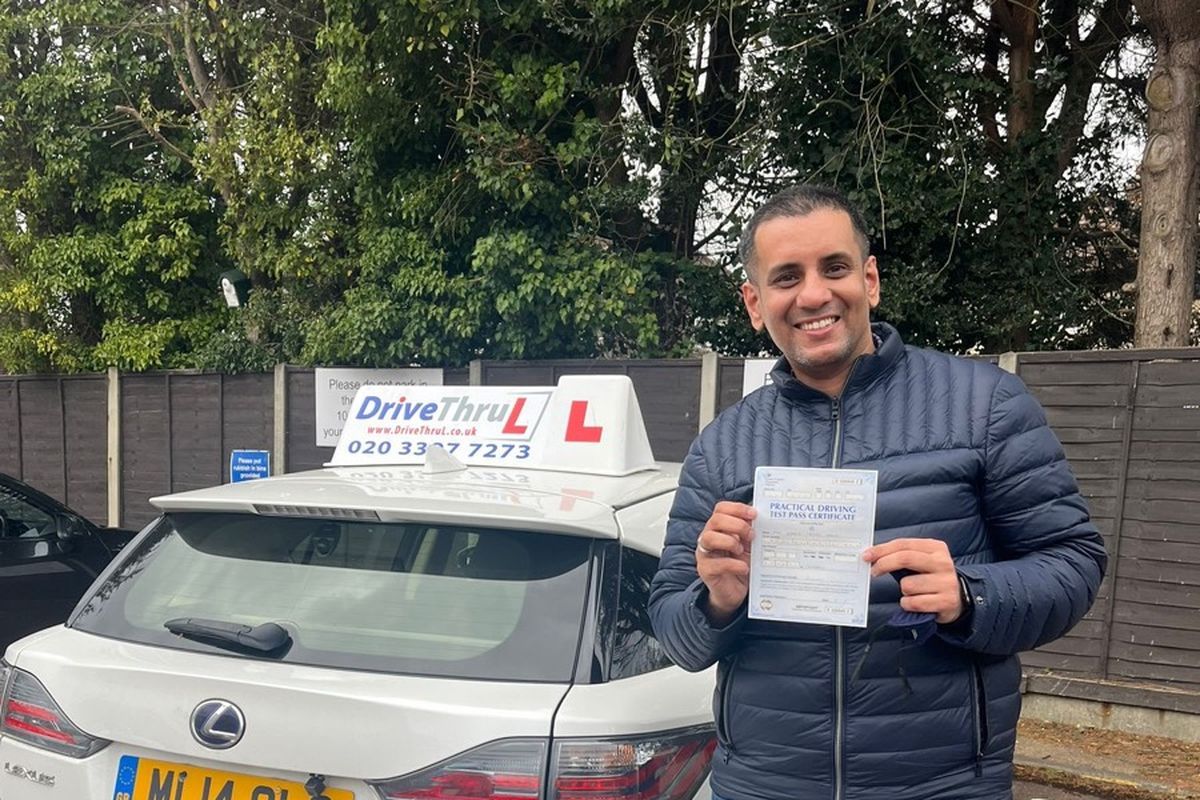
If you've decided an intensive course is right for you, here's how to maximise your chances of success:
📝 Your Pre Course Checklist
Pass Your Theory Test FIRST
You cannot take your practical test without a valid theory pass. Get this done before your course starts.
Book Your Test Date Before Starting
DVSA test slots fill up quickly. Book your test date in advance so your course leads directly to your test.
Clear Your Schedule Completely
No work, no social events, no distractions. Your intensive course needs to be your only focus.
Get Plenty of Sleep
You'll need full concentration. Aim for 8+ hours of sleep each night during your course.
Eat Well and Stay Hydrated
Driving requires mental energy. Keep your brain fuelled with nutritious food and plenty of water.
💡 Pro Tip: Mental Preparation
Spend time visualising your driving before the course. Watch dashcam videos, mentally rehearse manoeuvres, and study road signs. The more familiar everything feels, the faster you'll progress.
📊 Intensive vs Regular Lessons: Complete Comparison
Still deciding between intensive and regular lessons? Here's a side-by-side comparison:
❓ Frequently Asked Questions
Can complete beginners do intensive courses?
Yes, but it's generally not recommended. Complete beginners typically benefit from time between lessons to let skills settle. If you're a total beginner, consider a longer intensive package (30-40 hours) or a "semi intensive" approach with 2-3 hours per day instead of 4-6.
What happens if I'm not ready by my test date?
You can move your test for free if you give at least 10 full working days' notice (up to 2 changes, and you must make the change yourself). With less notice you lose the fee and must pay again (£62 weekdays, £75 evenings, weekends and bank holidays). This is why it's important to be honest with yourself and your instructor about your readiness. Some intensive providers include a free retest in their package.
Are intensive courses more expensive than regular lessons?
The per hour cost is usually similar. The total cost depends on how many hours you need. The main difference is paying upfront vs. spreading payments over months.
Can I do an intensive course in an automatic car?
Absolutely! At DriveThruL, we offer automatic intensive courses. Many learners find automatic intensives even more manageable since there's one less skill to master.
What if I fail my test after an intensive course?
You'll need to book more lessons to address any issues that came up, then rebook your test. Some schools offer discounted "refresher" packages for failed test candidates.
🚗 Ready to Fast Track Your Driving?
Our intensive driving courses are designed to get you on the road quickly and safely. Contact us for a free assessment.
Whether you choose an intensive course or regular lessons, the key is finding the approach that suits your learning style, schedule, and personality. At DriveThruL, we're happy to advise on the best option for your situation. Get in touch to discuss your options.