It is the first question almost every automatic learner asks us, and it is a fair one: how many automatic driving lessons do I need? About half of the enquiries we have had since August 2026 asked for automatic, so we hear it a lot. The honest answer is that nobody can give you a number before you start. What we can do is explain what decides it, so you can plan sensibly and spot when you are ready.
The direct answer
GOV.UK says "there's no minimum number of lessons you must have or hours you must practise driving", and that how many you need "will depend on how quickly you learn". DVSA does not publish an official figure for automatic learners. Learning in an automatic often means fewer hours spent on car control, but the road skills take the same work in any car.
Is automatic quicker to learn?
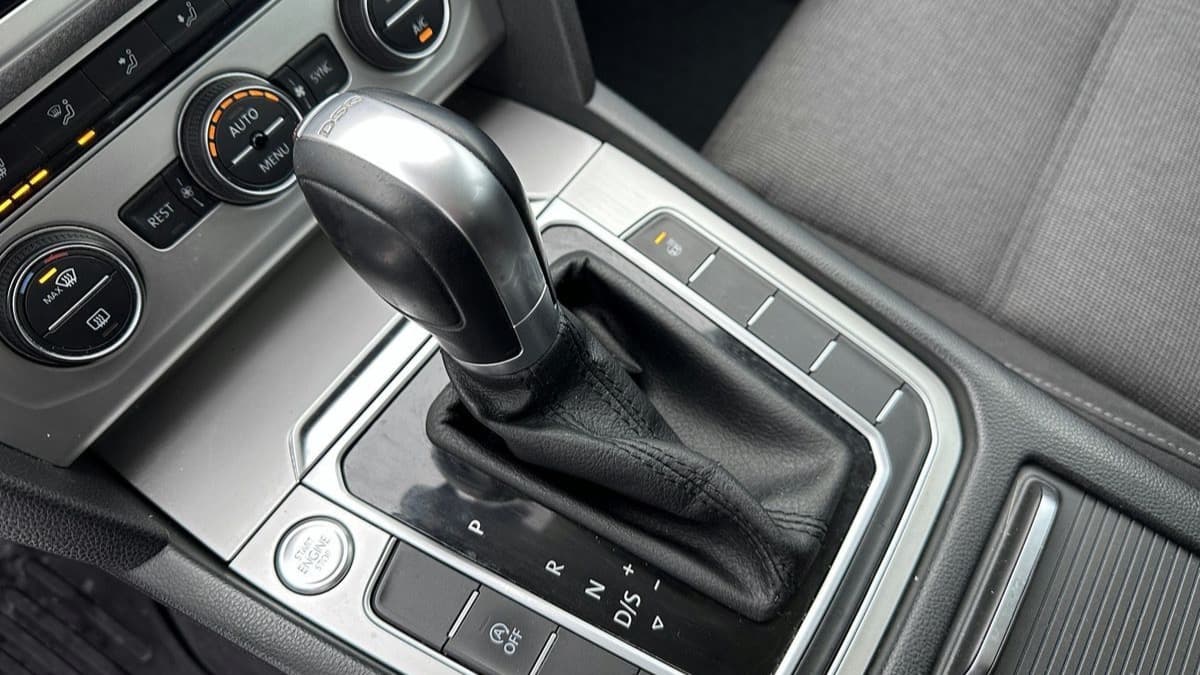
For many people, yes, at least in the early stages. The AA Driving School puts it carefully: learning in an automatic means you "might also end up taking fewer lessons and getting your licence quicker". That word "might" matters. An automatic speeds up the parts of learning that are about operating the car. It does not speed up the parts that are about reading the road.
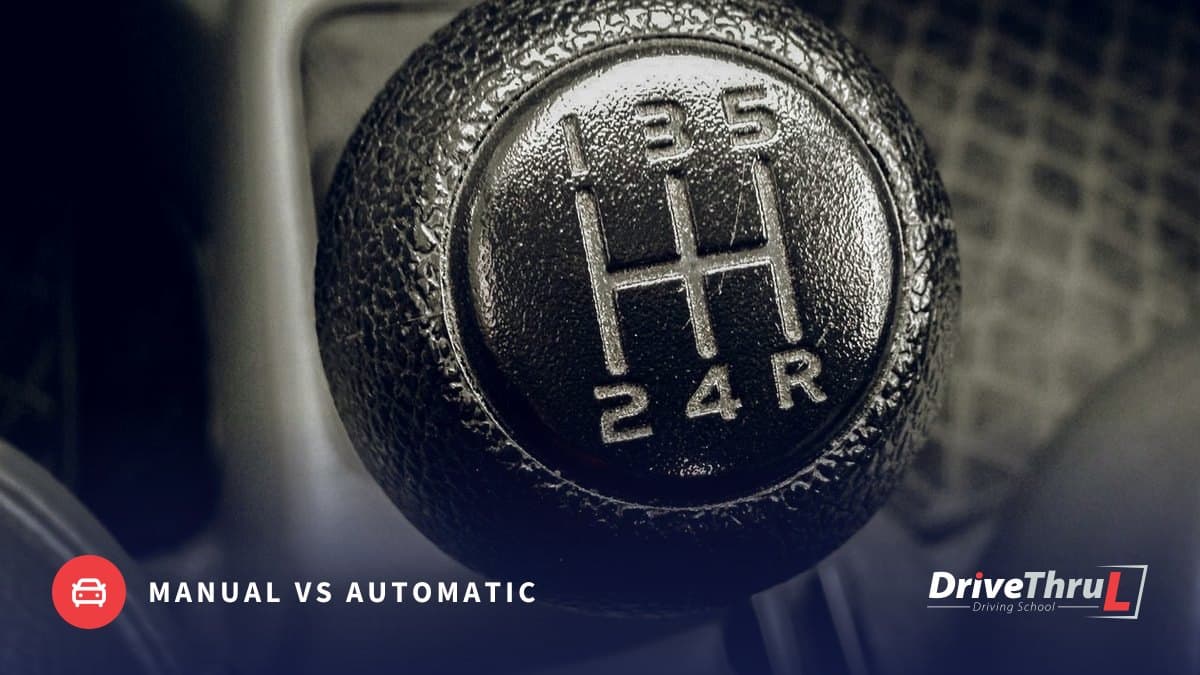
✅ What an automatic takes away
- Clutch control and finding the biting point
- Choosing and changing gears
- Stalling at junctions and lights
- Hill starts that balance clutch, gas and handbrake
- Creeping in slow traffic with the clutch
❌ What it does not take away
- Mirrors, blind spots and observation
- Junctions and roundabouts
- Hazard awareness and planning ahead
- Speed, positioning and lane discipline
- Manoeuvres, including the reversing exercise
On busy East London roads, the second list is where most of the learning happens. A learner who never has to think about the clutch has more attention free for a tricky roundabout, which is a real advantage. It still takes practice before that roundabout feels routine.
What decides how many lessons you need
- Prior experience. Someone who has driven abroad, ridden a moped or had a few manual lessons will usually move faster than a complete beginner. Previous manual learners often find the switch a relief.
- How often you drive. Skills fade between lessons. A week between sessions is easy to build on. A month means part of each lesson goes on catching up.
- Private practice. Extra hours with family or friends help a great deal, as long as your supervisor meets the rules. GOV.UK says they must be over 21, qualified to drive the type of vehicle you are learning in, and have held their full licence for 3 years. For an automatic, that means they need a licence that covers automatics.
- Nerves. Anxious learners are not worse drivers, but they often need more time before decisions feel natural. Pushing too fast tends to backfire. A patient instructor and a steady pace usually get there sooner in the end.
- Where you learn. Learning on the roads around your test centre helps you meet the junctions and traffic you will face on the day.
How long does it take to learn to drive automatic?
For learners of either kind, our guide to how many driving lessons it takes to pass goes further into the numbers.
Time is mostly a question of frequency. Weekly lessons spread the learning over a longer period but give you time to absorb each session. Two lessons a week often feels like a good balance for people who want steady progress without cramming. If you have a deadline, our intensive driving courses pack the hours into a short block, which can work well for confident learners or anyone with some experience already. Nervous beginners tend to do better with a little more breathing space between sessions.
Remember the theory test sits in front of all of this. You must pass it before you can book the practical, so it is worth starting your theory test revision alongside your first lessons rather than after.
How to know you are test-ready
GOV.UK's advice is simple: "Only take your test when you can do everything without instruction." In practice, that means you can drive a full lesson in which your instructor stays quiet and you still make safe, sensible choices. A good check is whether you can handle what the real test asks of you:
- About 35 minutes of driving, including 20 to 35 minutes of independent driving following a sat nav or traffic signs.
- One reversing exercise. There are 3, and the examiner picks one: parallel parking, parking in a bay, or pulling up on the right, reversing about two car lengths and rejoining the traffic.
- Two vehicle safety questions, one "tell me" before you drive and one "show me" while you drive.
The test is the same in an automatic as in a manual. Mock tests under test conditions are the best way to find out where you stand. If you are not ready, booking early rarely saves time. After a fail, GOV.UK says your next test must be at least 10 working days away, so a test taken too early can cost you more time than it saves.
Be wary of fixed promises. Anyone who tells you the exact number of lessons you will need before seeing you drive is guessing. A good instructor will give you an honest view after the first lesson or two, and update it as you progress.
The trade-off: code 78
Passing in an automatic gives you a full licence with code 78, which GOV.UK defines as "restricted to vehicles with automatic transmission". You cannot drive a manual car on your own until you pass a manual practical test. For most London drivers that is not a problem, and the upgrade route stays open. Our guide to code 78 and upgrading to manual explains exactly how it works.
The bottom line
There is no magic number. What we can say is that an automatic lets you put your energy into the road rather than the pedals, regular lessons beat long gaps, and private practice makes every paid hour go further. If that sounds like the right fit, find out how our automatic driving lessons work across East and South East London, or book your first lesson and your instructor will give you an honest picture of where you are after your first drive.