An automatic car takes away the clutch and the gear changes, which is exactly why so many learners in London choose one. But there is still a short list of things to learn properly: what each letter on the selector means, how the car behaves when you lift off the brake, and how to stop and hold it safely. This guide walks you through how to drive an automatic car from the moment you sit down to the moment you park.
The short version
Right foot on the brake, start the car, select D (or R to reverse), release the parking brake, then ease off the brake. To finish, stop with the brake, select P, apply the parking brake and switch off. One foot does everything.
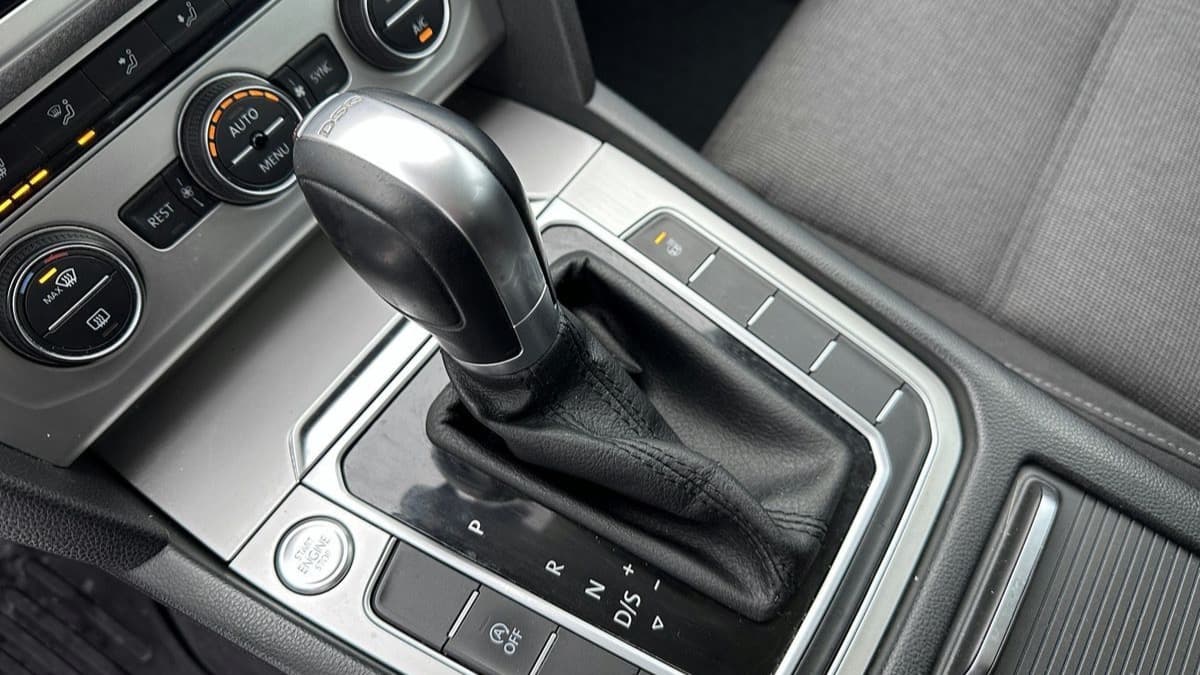
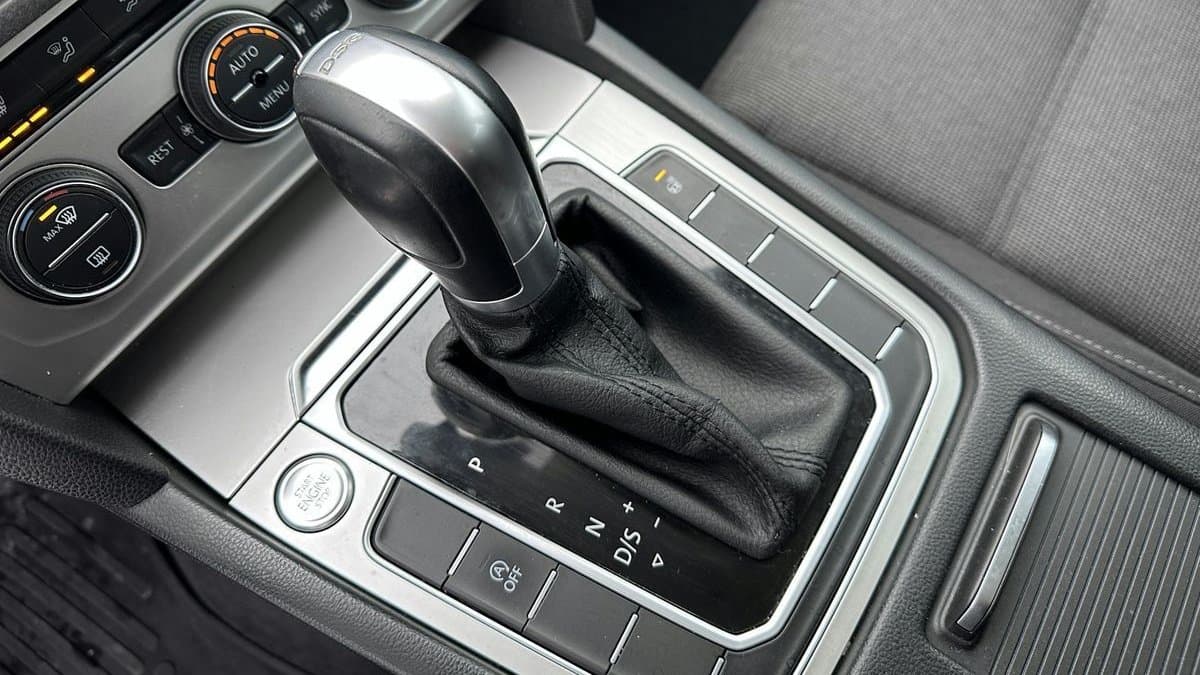
What P, R, N and D mean
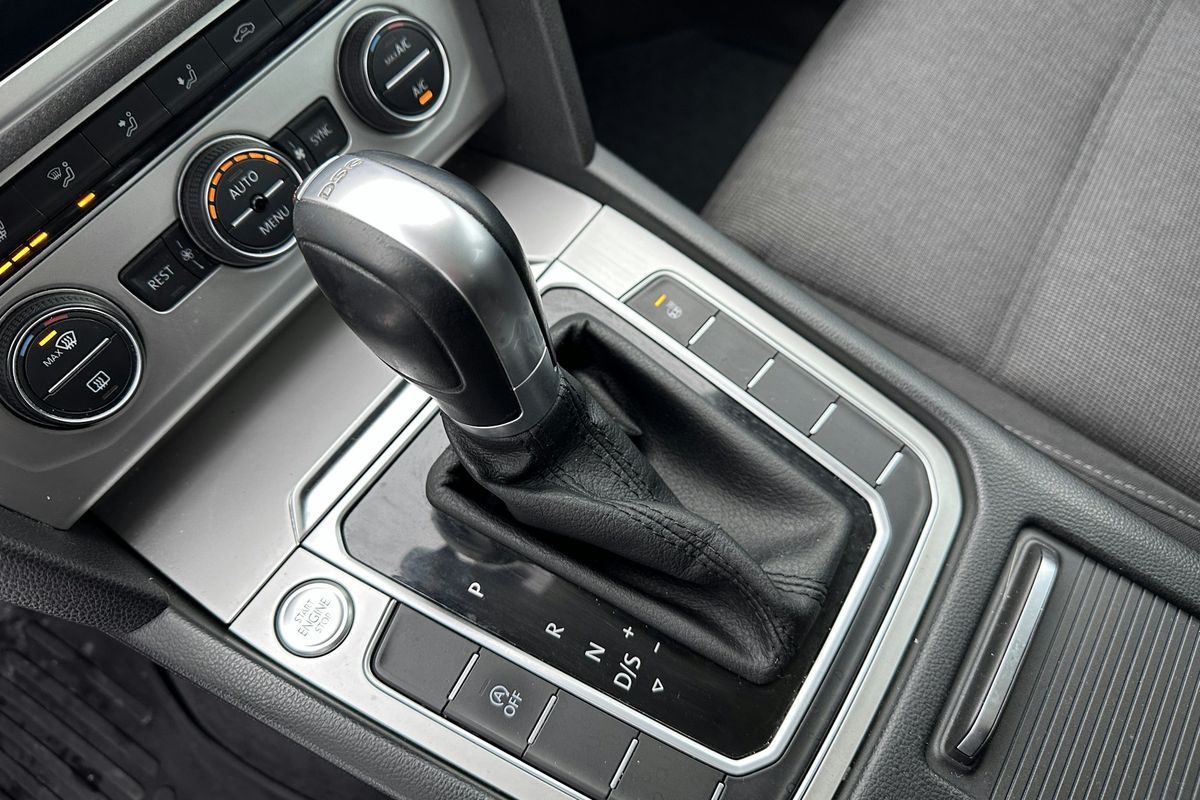
- P (Park) locks the gearbox so the car cannot roll. Use it only when the car has completely stopped and you are parking.
- R (Reverse) drives the car backwards. Select it only when stationary.
- N (Neutral) disconnects the engine from the wheels. The car can roll freely, so the brakes are all that hold it.
- D (Drive) is for going forwards. The car chooses and changes gear for you.
Some cars add more. S is usually a sport setting that holds gears longer. B, common in hybrids and electric cars, gives stronger slowing when you lift off the accelerator, which helps on long downhill roads. M, L or paddles behind the steering wheel let you pick a lower gear yourself. As a learner you will spend almost all your time in D, so do not worry about these on day one.
Starting the car and moving off
- Right foot firmly on the brake. Most automatics will not start or leave P without it.
- Start the car with the button or key.
- Select D (or R) while still holding the brake. Check the dashboard shows the letter you meant.
- Release the parking brake. Many cars with an electronic parking brake release it automatically as you pull away, but learn to do it yourself.
- Do your observations, signal if needed, then ease off the brake and gently press the accelerator.
Creep, and why it is your friend
In D or R, most automatics move slowly on their own as soon as you lift off the brake, with no accelerator at all. This is called creep. It surprises people at first, which is why Honda's own advice is to always keep your foot on the brake when stationary.
Once you are used to it, creep is brilliant. In slow traffic you can control your speed with gentle brake pressure alone. In manoeuvres such as parallel parking or bay parking, creep gives you a slow, steady pace while you concentrate on steering and observation. Our driving manoeuvres guide shows how to use it in each one.
Stopping and holding the car
Stop with smooth, progressive pressure on the brake. Once stopped, you have three ways to hold the car:
- Footbrake. Fine for a short stop at a junction.
- Auto hold (Brake Hold on some cars). If it is switched on, the car keeps the brakes applied after a full stop so you can rest your foot. Pressing the accelerator releases it.
- Electronic parking brake. For longer waits. Highway Code rule 114 asks drivers in stationary queues to apply the parking brake and, once traffic behind has stopped, take their foot off the footbrake so the brake lights do not dazzle the driver behind.
Hill starts and hill hold assist
Hill starts are much easier without a clutch. Many modern cars have hill start assist, which keeps the brakes on for a moment after you lift your foot so the car does not roll back. Nissan and Hyundai describe a hold of about two seconds, and times vary by make, so check your car's handbook. On a car without it, or a steep hill, use the parking brake: hold the car on it, press the accelerator until you feel the car pulling, then release the parking brake. Highway Code rule 160 reminds drivers to use any assistance system according to the manufacturer's instructions.
Right foot only
With only two pedals, it is tempting to brake with your left foot. Do not. Your right foot works both pedals, so you can never press both at once. Left foot braking is clumsy, and in a real emergency your left foot tends to stamp too hard or too late. Rest your left foot flat on the footrest and leave it there.
Do not coast in N. Highway Code rule 122 describes coasting as travelling in neutral, and warns that it reduces control: engine braking is lost, speed builds quickly downhill, heavy use of the footbrake can make it less effective, and steering response is affected on bends. Stay in D while moving.
When to use N, and when to use P
Neutral has a few genuine uses: an automatic car wash, being pushed or towed a short distance, or if the car stalls in traffic and needs moving. It is not for sitting at traffic lights, and on some cars selecting N switches auto hold off, so the car is only held by your foot.
P is for parking. Come to a complete stop first, keep your foot on the brake, select P, apply the parking brake, then switch off. Never select P or R while the car is still moving.
Common beginner mistakes
- Moving the selector without the brake pressed, or forgetting to check which letter is showing.
- Lifting off the brake in D without expecting creep, and rolling towards the car in front.
- Using the left foot to brake.
- Pressing the accelerator too hard. Automatics respond quickly, so small movements are enough.
- Selecting R before the car has fully stopped.
- Leaving the car in D with the engine running and stepping out. Always select P and apply the parking brake.
How electric cars differ
Every fully electric car is an automatic, and the same P, R, N and D apply. Two things feel different. First, regenerative braking: when you lift off the accelerator, the motor slows the car and feeds energy back into the battery. Many electric cars offer one pedal driving, where lifting off fully can bring the car to a complete stop. You still need the brake pedal for harder or sudden stops, and the strength of the effect can usually be adjusted or switched off.
Second, creep. Some electric cars do not creep at all unless you turn on a creep setting, which matters in car parks and manoeuvres. Ask your instructor to show you how your lesson car is set up, and keep the same settings until you are confident.
Ready to try it?
On the driving test you drive for about 35 minutes, and the examiner picks one of three reversing exercises, so slow speed control with creep matters as much in an automatic as clutch control does in a manual. If you are weighing up what an automatic pass means for your licence, read our guide to code 78 and upgrading to manual.
When you are ready to get behind the wheel, see how our automatic driving lessons work across East and South East London, or book your first lesson and your instructor will walk you through every letter on the selector before you move an inch.